

Why Termite Control Is Important for Older Sydney Homes
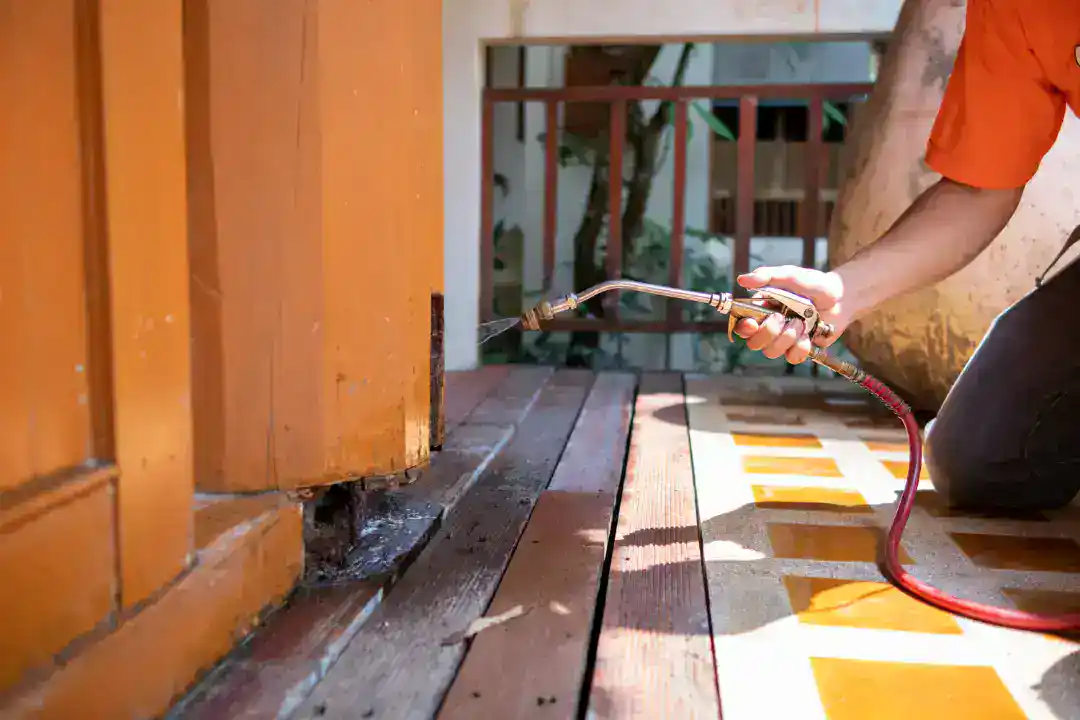
Sydney is famous for its stunning architectural history. From the iconic Victorian terraces of Paddington and the Inner West to the charming Federation bungalows scattered across the North Shore, our older properties have immense character. However, these historic homes also possess a hidden vulnerability: they are absolute magnets for destructive pests.
If you own a heritage or character property, understanding why termite control is important is the difference between preserving your investment and facing catastrophic structural failure. In coastal New South Wales, the question isn’t whether termites will find your home, but rather when and how much damage they will cause before you spot them.
The Hidden Vulnerability of Sydney’s Character Properties
Older houses were built to last, but the building methods used decades ago did not account for modern pest management standards. Understanding the importance of termite control starts with recognising how these houses were constructed.
1. High-Risk Construction Methods
Many character homes feature suspended timber floors with low underfloor clearance. This damp, dark, unventilated subfloor crawl space creates a perfect microclimate for subterranean termites (Coptotermes acinaciformis), the most destructive species in Australia. Older properties often lack adequate physical ant caps on piers, or the existing metal caps have rusted through, giving pests an open highway directly into your floorboards.
2. Untreated, Age-Softened Timbers
While vintage hardwood is incredibly tough, decades of exposure to atmospheric moisture, minor plumbing leaks, and humidity soften the wood. Termites actively seek out timber with a higher moisture content. Once moisture compromises old structural beams, they become highly susceptible to foraging infestations.
3. Decades of Environmental Shifts
Over 50 to 100 years, garden beds are raised, patios are paved over, and extensions are added. These renovations frequently bridge or cover original physical barriers, allowing subterranean pests to enter undetected from the surrounding soil straight into the wall cavities.
Why Termite Control Is Important: Protecting Your Heritage Investment
The structural framework of an older house is its backbone. Unlike modern homes built with prefabricated, chemically treated pine frames, older homes rely heavily on original hardwoods. If these are eaten away, the architectural integrity of the entire building is compromised.
Delaying necessary pest inspections can lead to average repair bills ranging anywhere from $8,000 to over $30,000. Because standard Australian home insurance policies explicitly exclude damage caused by insects, homeowners must foot the entire bill for structural repairs. This financial risk underscores exactly why termite control is important; proactivity is infinitely cheaper than reactive reconstruction. Significant structural damage can occur in as little as three to six months, making early action paramount.
The Key Benefits of Termite Control for Character Buildings
Investing in proactive, continuous management provides peace of mind and long-term financial safety. The core benefits of termite control extend far beyond simply killing bugs.
- Preservation of Original Features: Intricate timber skirting boards, original architraves, picture rails, and exposed ceiling beams are impossible to replace with identical vintage materials. Protection ensures these historical elements remain intact.
- Maintaining Property Value: A clean bill of health regarding wood-destroying organisms is essential when selling. A history of untreated infestations will decimate your property’s market value during a pre-purchase building inspection.
- Uninterrupted Structural Stability: Early detection keeps the load-bearing walls, joists, and bearers perfectly safe, preventing sagging roofs and sloping floors.
- Cost Efficiency: Installing a monitored chemical or baiting barrier costs a fraction of what you would pay to replace a collapsed structural bearer under a double-brick terrace.

Professional Termite Control vs. DIY Methods
When dealing with a high-stakes asset like a classic Sydney home, DIY fixes are a recipe for disaster. Spraying visible pests with off-the-shelf supermarket bug spray does not solve the problem; it worsens it.
When disturbed by superficial treatments, subterranean colonies simply close off that specific gallery and relocate to another part of your home, continuing their destruction completely out of sight. This scattering effect is precisely why DIY sprays make infestations harder, not easier, to eliminate.
Enlisting a professional termite control service ensures specialised technicians utilise advanced diagnostic tools. Thermal imaging cameras, moisture meters, and Termatrac radar detection devices locate active termite movement deep within double-brick cavities without damaging your heritage plasterwork. Professionals don’t just treat the symptoms; they locate the central nest, often situated in a nearby eucalyptus tree or under a concrete slab, and eliminate the queen to wipe out the colony entirely, establishing reliable, long-term barrier protection.
Proactive Termite Prevention Strategies for Homeowners
While professional monitoring is vital, maintaining your property daily plays a massive role in termite prevention. Pests require moisture, shelter, and a food source to thrive. Eliminating these attractants drastically reduces your risk profile.
Manage Subfloor and Soil Moisture
Ensure your subfloor has cross-flow ventilation to keep timbers dry. Fix leaking downpipes, broken guttering, and dripping garden taps immediately. Divert hot water system and air conditioning overflow lines away from the perimeter walls.
Eliminate Ground-to-Timber Contact
Never store scrap timber, firewood, or cardboard boxes directly against the external walls of your home or inside the subfloor crawl space. Keep garden mulch levels at least 75mm below the edge of your concrete slab or weep holes.
Schedule Annual Inspections
The Australian Standard (AS 3660) strongly recommends at least one professional inspection every 12 months. In high-risk, heavily timbered areas across Sydney such as the Northern Beaches, Upper North Shore, and Sutherland Shire, bi-annual inspections are highly recommended.