

Silverfish Infestations: Identification, Causes, and How to Get Rid of Them for Good
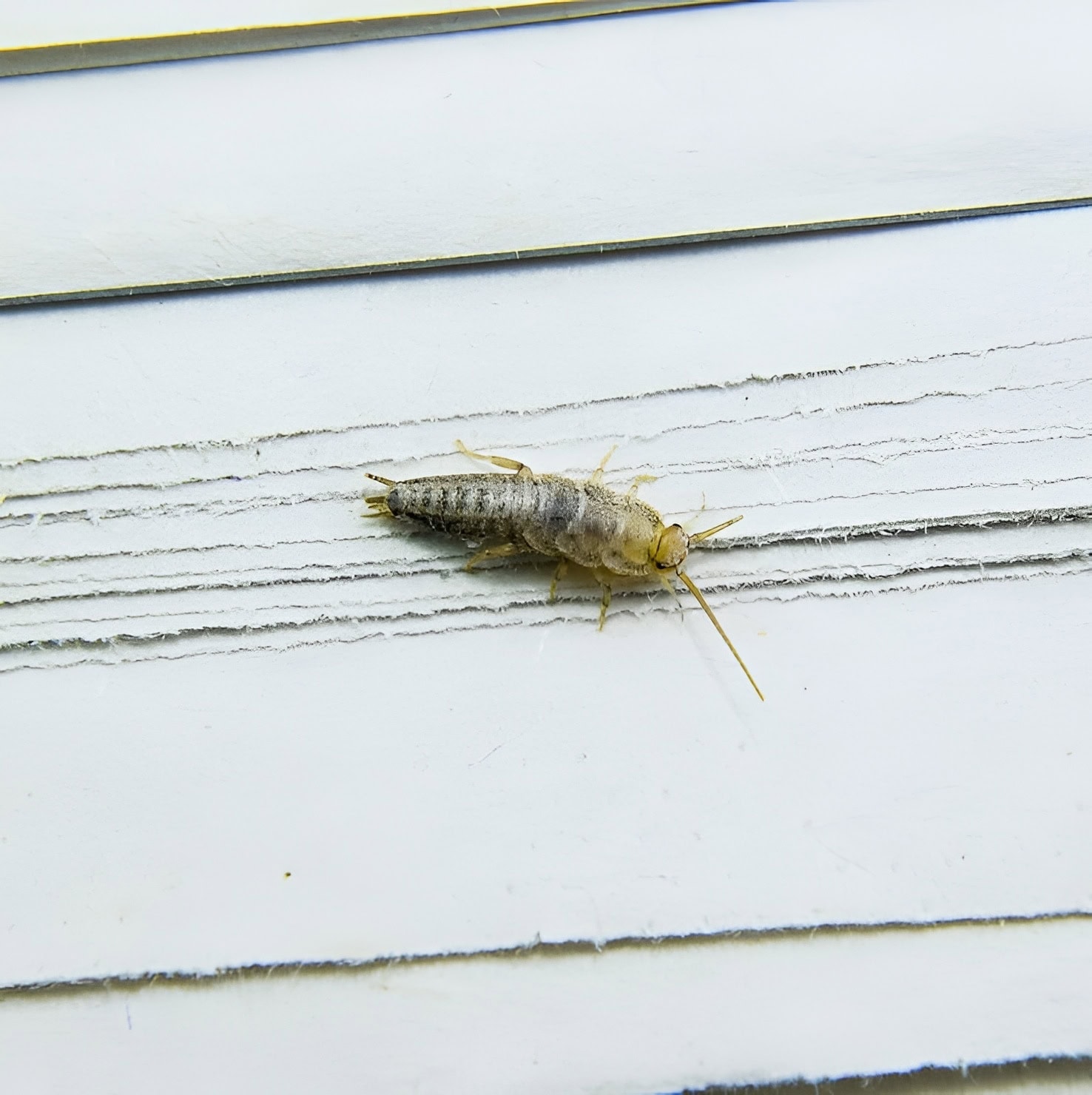
If you’ve spotted a small, silvery insect darting across your bathroom floor or wriggling out from between the pages of an old book, there’s a good chance you’ve met a silverfish. These fast-moving, nocturnal pests are one of the most common household invaders in Australian homes, particularly in humid coastal cities like Sydney. While they don’t bite, sting, or spread disease, silverfish can cause real damage to your home and belongings if an infestation is left unchecked.
In this guide, we’ll break down exactly what silverfish are, why they end up in your home, the damage they can do, and most importantly, how to get rid of them permanently.
What Are Silverfish?
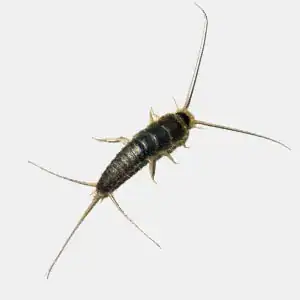
Silverfish (Lepisma saccharina) are small, wingless insects named for their metallic, silvery-grey colouring and fish-like movement. They typically grow to around 12–19mm in length, with a flattened, teardrop-shaped body that tapers from a broad head down to a narrow tail.
A few key features make silverfish easy to identify:
- Body shape: Flattened and elongated, narrowing towards the rear, giving them a distinctive fish-like silhouette.
- Colour and texture: A shimmering silver or pearl-grey sheen created by tiny, fine scales covering their body.
- Antennae: Long, thread-like antennae extend from the head.
- Tail appendages: Three long, bristle-like filaments (cerci) trail from the rear of the abdomen, one of the clearest ways to distinguish silverfish from other household insects.
- Movement: Silverfish are surprisingly quick and agile, with a characteristic wriggling, fish-like scuttle when disturbed.
They are ancient insects, believed to have existed in roughly their current form for over 400 million years, and are known for their resilience; they can survive extended periods without food and are notoriously difficult to eliminate once established.
Where Do Silverfish Live?
Silverfish are nocturnal and photophobic, meaning they actively avoid light and prefer to stay hidden during the day. This makes spotting an infestation early quite tricky, since most of their activity happens while you’re asleep.
Inside the home, silverfish gravitate towards dark, undisturbed, and moisture-rich areas, including:
- Roof cavities and ceiling voids
- Wall cavities
- Subfloor spaces and crawl spaces
- Bathrooms and laundries (high humidity)
- Basements and garages
- Bookshelves, cupboards, and storage boxes
- Behind skirting boards and wallpaper
Because they thrive in humidity, homes with poor ventilation, plumbing leaks, or rising damp are especially vulnerable. Older homes with original wallpaper, timber panelling, or stacks of stored paper and cardboard are also prime real estate for a growing silverfish population.
What Do Silverfish Eat?
Understanding a silverfish’s diet is key to understanding why they’re such a persistent nuisance. Silverfish are omnivorous scavengers with a strong preference for carbohydrates and starches. Their diet typically includes:
- Starchy and sugary foods: Flour, cereals, oats, and other pantry staples
- Paper products: Book bindings, wallpaper paste, cardboard, and documents
- Textiles: Cotton, linen, and other natural fibres
- Photographs and glue: The adhesives used in old photo albums and book bindings
- Mould and fungi: Especially in damp, poorly ventilated areas
- Synthetic materials: In some cases, silverfish will even nibble on synthetic fabrics if food sources are scarce
This broad diet is exactly why silverfish are considered a household pest rather than just a curiosity. They don’t just want your leftover crumbs. They want your books, wallpaper, and clothing too.
Signs You Have a Silverfish Infestation
Because silverfish are nocturnal and quick to hide, many homeowners don’t realise they have an infestation until the population has grown significantly. Keep an eye out for these warning signs:
- Yellowish stains or small holes in paper, wallpaper, or fabric
- Tiny black pepper-like droppings in drawers, cupboards, or storage boxes
- Shed skins: silverfish moult throughout their lives and leave translucent, scale-like skins behind
- Irregular holes or notches chewed into the edges of paper or cardboard
- Sightings at night: spotting one or two silverfish scurrying away when you turn on a bathroom or laundry light late at night is often the first real clue
If you’re noticing several of these signs together, it’s a strong indication that silverfish have established a breeding population somewhere in the home, rather than just wandered in from outside.
Why Silverfish Are a Problem
Unlike pests such as ants or wasps, silverfish pose no direct threat to people; they don’t bite, sting, or transmit disease. However, that doesn’t mean they’re harmless to have around. The real cost of a silverfish infestation comes down to property damage and hygiene concerns:
- Damage to books, documents, and photographs: Silverfish are notorious for eating into book spines, important documents, and old family photo albums, sometimes causing irreversible damage.
- Damaged wallpaper and paint: Their taste for starch-based glues means wallpaper and some paints are vulnerable, especially in older homes.
- Fabric and clothing damage: Stored linens, cotton clothing, and even some synthetic materials can be chewed through.
- Contamination of stored food: Pantry items like flour, oats, and cereal can become contaminated once silverfish move in.
- Indicator of a bigger moisture problem: Because silverfish need humidity to survive, a persistent infestation can be a red flag for underlying issues like poor subfloor ventilation, leaking pipes, or rising damp problems that are worth addressing in their own right.
How to Prevent Silverfish in Your Home
Prevention comes down to making your home less hospitable to moisture-loving pests. A few practical steps can go a long way:
- Reduce humidity: Use exhaust fans in bathrooms and laundries, and consider a dehumidifier in consistently damp areas like basements or subfloors.
- Fix leaks promptly: Address dripping taps, leaking pipes, and roof leaks as soon as they’re noticed.
- Improve ventilation: Ensure roof cavities and subfloor areas have adequate airflow to prevent condensation build-up.
- Store paper and fabric carefully: Keep books, important documents, and clothing in sealed plastic containers rather than cardboard boxes, particularly in storage areas.
- Seal entry points: Caulk gaps around skirting boards, pipes, and windows where silverfish can enter or hide.
- Declutter storage areas: Reducing stacks of old newspapers, cardboard, and unused paper reduces available food and hiding spots.
- Vacuum regularly: Regular vacuuming, particularly around skirting boards, bookshelves, and storage areas, removes eggs, droppings, and food debris.

How to Get Rid of Silverfish
For a light, early-stage presence, DIY approaches such as diatomaceous earth, sticky traps, and reducing humidity can help manage numbers. However, these pests are remarkably tough; they can survive months without food, hide deep within wall and roof cavities, and reproduce steadily once established, which means DIY treatments often only address what’s visible on the surface.
A professional pest inspection and treatment is the most reliable way to deal with an established infestation because it:
- Identifies the specific entry points and nesting areas within roof cavities, wall voids, and subfloors
- Targets the underlying moisture issues that are sustaining the population
- Applies treatments designed to reach silverfish in the hidden, undisturbed spaces they prefer
- Provides long-term prevention advice tailored to your specific property
When to Call a Pest Control Professional
If you’re noticing repeated sightings, physical damage to books or fabrics, or telltale droppings and shed skins in storage areas, it’s time to bring in a professional. A licensed pest technician like Forensic Pest Management Services can carry out a full inspection to confirm the extent of the infestation, locate nesting sites in hard-to-reach areas, and apply a targeted treatment plan, giving you a genuinely lasting solution rather than a temporary fix.
Left untreated, silverfish populations tend to grow steadily rather than resolve on their own, especially in homes with ongoing moisture issues. Early intervention not only protects your books, documents, and fabrics but can also help you catch underlying ventilation or plumbing problems before they become bigger, costlier repairs.