

The Complete Guide to Carpet Beetles: Identifying, Preventing, and Eliminating Fabric Pests
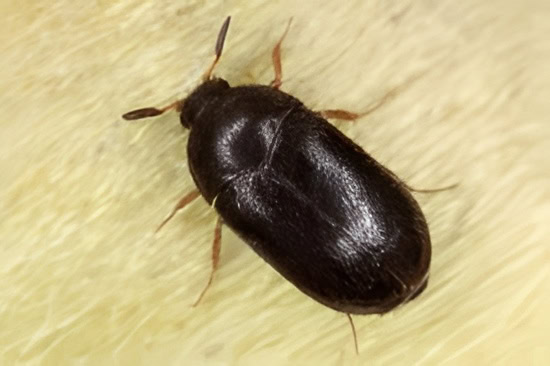
Discovering mysterious, threadbare patches in your favourite woollen jumper, bare spots along your carpet skirting boards, or tiny sand-like grains in the corners of your wardrobes is incredibly frustrating. While many property owners instantly blame clothes moths for this damage, the real culprit is frequently far more insidious: the carpet beetle.
Despite what their name suggests, carpet beetles do not restrict their appetite to carpets. These destructive little pests can wreak havoc on a massive array of household fabrics, precious keepsakes, and stored items.
To help you protect your home or business, this comprehensive guide breaks down the most common carpet beetle species found across Sydney, reveals the hidden dangers they pose, and outlines how to stop them before they cause irreversible structural or financial damage.
The Big Misconception: Adults vs Larvae
To successfully tackle a carpet beetle problem, you must understand a fascinating but destructive quirk in their biology: the adult beetles do not cause any damage to your fabrics.
Adult carpet beetles are quite small, measuring up to 5 mm in length, and are oval or elongate-oval in shape. They are actually outdoor insects that feed exclusively on pollen and nectar. They are frequently introduced into households accidentally, often hitching a ride on freshly cut flowers from the garden. Once inside, you will usually find them crawling near windows or light sources, instinctively trying to make their way back outside.
The true culprits behind the destruction are the carpet beetle larvae.
The larvae are typically a reddish-brown colour and are covered completely with stiff, bristly hairs. Because they thrive in dark, undisturbed areas, they can chew through your belongings completely unnoticed for months at a time. As they feed and grow, they shed their skins multiple times, leaving behind cast skins and tiny, sand-like droppings that accumulate in hidden corners.
Meet the Culprits: Common Carpet Beetle Species in Australia
While there are several variations of this pest, two specific species are considered widespread and highly destructive across New South Wales homes and commercial properties.
1. The Variegated Carpet Beetle (Anthrenus verbasci)
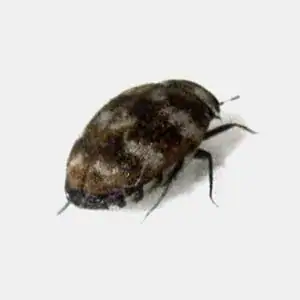
The Variegated Carpet Beetle is arguably the most common species encountered by professional pest controllers.
- Appearance: These beetles are tiny, measuring only 2 to 3 mm in length. They feature a distinct mottled pattern of yellow, white, and black scales on their bodies, making them look somewhat like a tiny, uniquely coloured ladybird. A key identifying feature under magnification is that they have no distinct cleft or split where the elytra (wing covers) meet at the very end of their abdomen.
- Target Materials: This species is notoriously voracious. The larvae will aggressively attack carpets, carpet underfelt, woollen clothing, animal skins, furs, feathers, and silk. Interestingly, they are also known to feed on organic stored pantry goods like cereals, dried meat products, and even dead insects trapped in wall cavities.
2. The Black Carpet Beetle (Attagenus unicolor)
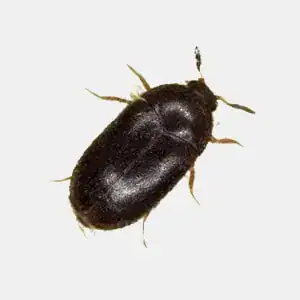
Slightly larger and less colourful, the Black Carpet Beetle is equally destructive and presents unique nesting challenges.
- Appearance: Measuring between 3 and 5 mm in length, these beetles are an elongate-oval shape. They are a solid, shiny black to dark brown colour with distinctly brownish legs.
- The Bird Nest Connection: This species is uniquely associated with birds nesting in roof cavities, gutters, and downpipes. When birds abandon their nests, the Black Carpet Beetle larvae feed on the leftover feathers, skin flakes, and nesting materials before migrating down through downlights, vents, and cornices into your living spaces.
- Target Materials: Once inside, they will quickly attack woollens, silk, felt, upholstered furniture, leather goods, bookbindings, and various dried food stocks.
Early Warning Signs of an Infestation
Because carpet beetle larvae detest the light and actively seek out the darkest, most undisturbed spaces in your home, you need to know exactly what clues to look for. Check your wardrobes, behind heavy furniture, and along floorboards for these indicators:
- Irregular Holes in Fabrics: Unlike moths, which tend to leave tiny scattered holes throughout a garment, carpet beetle larvae completely strip large, irregular patches from fabrics, particularly around the collar, cuffs, or seams of clothing.
- Sand-like Droppings: The presence of concentrated, tiny pellets that resemble fine sand or dark pepper in the backing of rugs or wardrobe corners is a definitive sign of active feeding.
- Cast Larval Skins: As the bristly larvae grow, they moult and leave behind hollow, light-brown, hairy skins. Finding these skins tells you an infestation is actively progressing.
- Adults on Windowsills: Spotting live or dead adult beetles clustered on interior windowsills during spring and summer indicates they have bred indoors and are trying to escape outside.
Why DIY Methods Frequently Fail
Many property owners attempt to eliminate carpet beetles using over-the-counter surface sprays, mothballs, or DIY cedar blocks. While these might deter a few adults, they rarely solve a deeply embedded larval infestation.
Carpet beetle larvae are incredibly resilient. They can survive for long periods without food and can travel deep inside wall cavities, under heavy floorboards, and into deep carpet underlays where standard supermarket sprays cannot reach. Furthermore, if the source of the infestation is an abandoned bird’s nest high up in your roof void, spraying your living room skirting boards will do absolutely nothing to halt the breeding cycle.
Proactive Prevention: How to Protect Your Fabric and Furnishings
If you want to keep your home or business safe from fabric-eating pests, follow this comprehensive maintenance routine:
1. Vacuum deep and wide:
Weekly routine.
Vacuum thoroughly, paying extra attention to hidden spaces: beneath heavy furniture, along skirting boards, inside the bases of wardrobes, and around heating vents where lint and pet hair accumulate.
2. Inspect your cut flowers:
Before bringing indoors.
Always shake out or carefully inspect freshly cut garden flowers before bringing them inside your home to prevent adult beetles from hitching a ride.
3. Clean before you store:
Seasonal clothing care.
Never store winter woollens or silks away without washing or dry-cleaning them first. Human sweat, skin oils, and food spills attract carpet beetle larvae like a magnet.
4. Use airtight storage:
Long-term protection.
Seal your clean, natural-fibre garments inside heavy-duty, airtight plastic storage containers or vacuum-sealed bags rather than loose cardboard boxes.
5. Proof your roof cavity:
External exclusion.
Ensure all roof vents are screened, and entry points are sealed to prevent birds from nesting in your ceilings, eliminating the primary breeding ground for the Black Carpet Beetle.

Secure Professional Protection Today
When it comes to carpet beetles, a small delay can result in thousands of dollars in ruined carpets, damaged upholstered furniture, and destroyed clothing. A professional pest management strategy doesn’t rely on guesswork.
Experienced technicians locate the exact source of the infestation, whether it’s an old rug in the attic or a bird’s nest in the roof, and deploy targeted, commercial-grade fabric treatments that are safe for your family and pets but highly lethal to destructive larvae.
Take Action Before the Damage Spreads: If you have spotted bristly larvae, irregular holes in your natural fabrics, or adult beetles hovering around your windows, do not wait. Call the expert team at Forensic Pest Management Services today to book a comprehensive fabric pest inspection and restore total peace of mind to your Sydney property.