

The Ultimate Guide to Australian Rodents: Identifying, Preventing, and Eliminating Rats and Mice
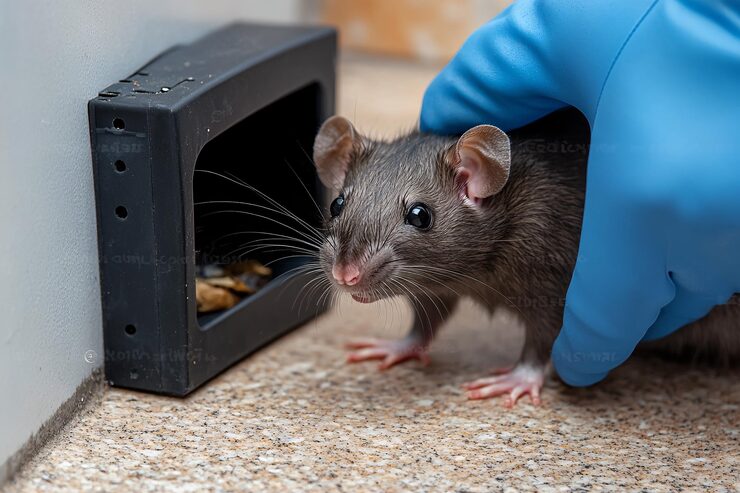
Finding evidence of scurrying in your roof void or spotting a tiny silhouette darting across your kitchen floor is enough to make any property owner’s stomach drop. In Australia, particularly across bustling urban areas like Sydney and its surrounding suburbs, Australian rodents are far more than just a minor nuisance. They are a significant threat to our property, health, and overall peace of mind.
To protect your home or business, you first need to understand exactly what you are up against. This comprehensive guide breaks down the three most common rodent pests in Australia, explains the hidden dangers they bring into our spaces, and outlines how professional rodent pest control can safeguard your property.
Meet the Culprits: The Three Most Common Australian Rodents
While all rodents share the same basic urge to chew through your valuables, the specific species invading your property dictates where they hide and how they behave. The text below details the distinct traits of Australia’s primary rodent pests.
1. The Norway Rat (Rattus norvegicus)
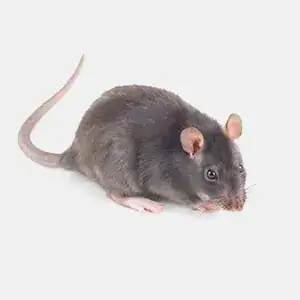
Also known as the brown rat or sewer rat, the Norway Rat is the heavyweight champion of the Australian rodent family.
- Appearance: This is a large, robust rodent. Their solid bodies can measure up to 40 cm in length, with a thick tail adding another 25 cm. They feature a blunt snout, small close-set ears covered in fine hair, and coarse reddish-brown or grey fur.
- Habits and Behaviour: Norway rats are strictly nocturnal. While they have poor eyesight, their highly developed senses of smell and hearing allow them to navigate effortlessly in the dark.
- Nesting Preference: Unlike some of their agile cousins, Norway rats are poor climbers but exceptional swimmers. Consequently, they prefer living at ground level or underground. You will frequently find them burrowing along building foundations, under concrete slabs, or nesting inside complex sewer networks.
- Diet: They are opportunistic omnivores with a strong preference for protein-rich foods, including garbage, discarded meats, cereals, and fish. They also require constant access to an open water source.
2. The Roof Rat (Rattus rattus)
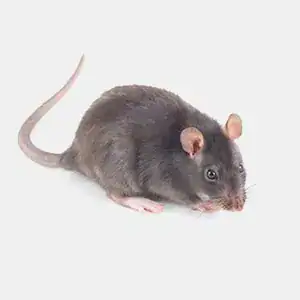
True to its name, the Roof Rat (or black rat) prefers to look down on the world from above.
- Appearance: Distinctly smaller and sleeker than the Norway rat, the Roof Rat measures between 15 to 20 cm in body length with a remarkably long, slender tail that stretches up to an additional 20 cm. They possess a pointed snout, a slender build, and large, prominent, hairless ears.
- Habits and Behaviour: These nocturnal pests are subpar swimmers, but they make up for it with world-class climbing abilities. They use their long tails for balance as they traverse tree branches, power lines, and fences to access elevated structures.
- Nesting Preference: Roof rats rarely burrow. Instead, they seek out high places. Roof voids, attics, wall cavities, and false ceilings are their primary targets. If you hear scratching noises directly above your ceiling at night, you are likely dealing with a Roof Rat infestation.
- Diet: They lean toward a vegetarian diet, favouring fresh fruits, vegetables, cereal grains, and seeds, though they still require plenty of water to survive.
3. The House Mouse (Mus musculus)
Don’t let their tiny size fool you; the House Mouse is one of the most prolific and destructive pests a property owner can face.
- Appearance: The smallest of the three major species, a mature House Mouse measures just 6 to 10 cm in body length, with a matching tail length of 7 to 10 cm. They feature a tiny, slender frame, fine grey-to-brown fur, a pointed snout, and large, rounded ears.
- Habits and Behaviour: Mice are incredibly curious and adventurous compared to cautious rats. They breed at an alarming rate. A single female can produce up to 10 litters a year, delivering up to six pups per litter. Within a matter of weeks, a minor mouse issue can spiral into a full-blown infestation.
- Nesting Preference: Highly adaptable, mice will nest almost anywhere indoors or outdoors. They readily burrow in gardens or construct soft nests behind appliances, inside storage boxes, within wall cavities, or deep inside upholstered furniture.
- Diet: Mice love cereal grains, seeds, and sweet foods. Unlike rats, they can survive on minimal water, extracting much of their moisture directly from the food they consume.
Why Rodents Are a Threat to Your Home and Business
Allowing rats and mice to share your living or working environment introduces a host of risks that extend far beyond a bit of chewed cardboard.
Structural Property Damage
Rodents belong to the order Rodentia, a word derived from the Latin rodere, meaning “to gnaw”. A rodent’s incisor teeth never stop growing. To keep them at a manageable length, they must constantly chew on hard materials.
Inside a building, this means they will chew through timber beams, plasterboard, PVC plumbing pipes (often causing mysterious water leaks), and most dangerously, electrical wiring. Exposed electrical wires caused by rodent gnawing are a leading hidden cause of unexplained structural fires across New South Wales.
Food Spoilage and Financial Loss
Rodents are wasteful eaters. A single rat or mouse may only consume a small fraction of your pantry items, but they will contaminate everything else in the vicinity with their urine, droppings, and shed fur. For commercial businesses, especially hospitality venues, food processing plants, and warehouses, a rodent sighting can result in ruined stock, massive financial losses, and immediate regulatory shutdowns.
Serious Health Risks and Disease Transmission
Rats and mice are vectors for a variety of dangerous pathogens and diseases. They carry bacteria and viruses that can be transmitted to humans through direct contact, contaminated food surfaces, or airborne dust particles from dried droppings. Key medical concerns include:
- Salmonellosis: A severe type of food poisoning contracted when rodents walk across kitchen countertops and food preparation surfaces.
- Leptospirosis: Transmitted through contact with water or soil contaminated by infected rodent urine.
- Rat-Bite Fever: Carried in the saliva of seemingly healthy rodents.
- Secondary Parasites: Rodents transport fleas, ticks, and mites into your property, which can quickly migrate to your family and family pets.
Early Warning Signs of a Rodent Infestation
Because rodents are nocturnal and naturally evasive, you will often spot the evidence of their presence long before you see an actual rat or mouse. Keep an eye and ear out for these key indicators:
- Droppings: Fresh droppings are dark and moist. Mouse droppings are tiny (about the size of a grain of rice), while rat droppings are much larger, ranging from 1 to 2 cm with blunt or pointed ends.
- Scratching Sounds: Noises in your roof, walls, or under the floorboards at night are a classic indicator of active foraging.
- Gnaw Marks: Freshly chewed wood, plastic packaging, or structural edges indicate active teeth-grinding.
- Rub Marks: Rodents have oily fur. As they travel along their established pathways next to walls and skirting boards, they leave dark, greasy smudge marks behind.
- Pungent Odours: An established infestation produces a distinct, stale, musky ammonia smell from concentrated urine.
Proactive Prevention: How to Rodent-Proof Your Property
While professional intervention is necessary to eliminate an active population, you can significantly reduce the risk of a future invasion by implementing basic proofing strategies:
- Block the Entries: Inspect the exterior of your property. Remember that a young mouse can squeeze through a gap as narrow as a pen or pencil. Seal holes in brickwork, fix damaged screens, and install weather strips under external doors. Pay close attention to utility entry points where pipes enter the walls.
- Starve Them Out: Store all dry food products, including pet food, in heavy-duty plastic, glass, or metal containers with airtight lids. Never leave pet bowls filled with food overnight.
- Manage Waste Effectively: Ensure your outdoor rubbish bins have tight-fitting lids and are cleaned regularly. Avoid letting organic garden waste stack up near the perimeter of your building.
- Clear the Perimeter: Trim tree branches back away from your roofline to eliminate easy bridges for climbing Roof Rats. Keep lawn grass cut short and clear out piles of timber or debris where ground-dwelling rats love to burrow.

Why Professional Rodent Pest Control is the Only Real Solution
Many property owners try to manage a rodent issue independently using supermarket traps or DIY poisons. While this might eliminate a few individual pests, it rarely solves the underlying problem. Rodents are highly intelligent and adapt quickly. Rats suffer from neophobia (a fear of new things), causing them to avoid poorly placed traps, while improper chemical baiting can lead to bait shyness or, worse, poisoned pests dying inside inaccessible wall cavities, creating terrible odours.
A professional pest controller doesn’t just place traps; they deploy a comprehensive strategy:
- Thorough Inspection: Locating exact nesting sites, entry points, and travelling routes.
- Targeted Treatment Plans: Utilising safe, commercial-grade tracking powders, bait stations, and trapping methods customised to your specific environment and family needs.
- Long-Term Exclusion: Advising on structural proofing to ensure that once the current population is gone, new intruders cannot take their place.
If you suspect rats or mice have taken up residence in your home or commercial space, do not wait for the population to multiply. Call Forensic Pest Management Services now and get rid of these rodents.