

Snake Control in Australia: Protecting Your Property from Unwanted Visitors
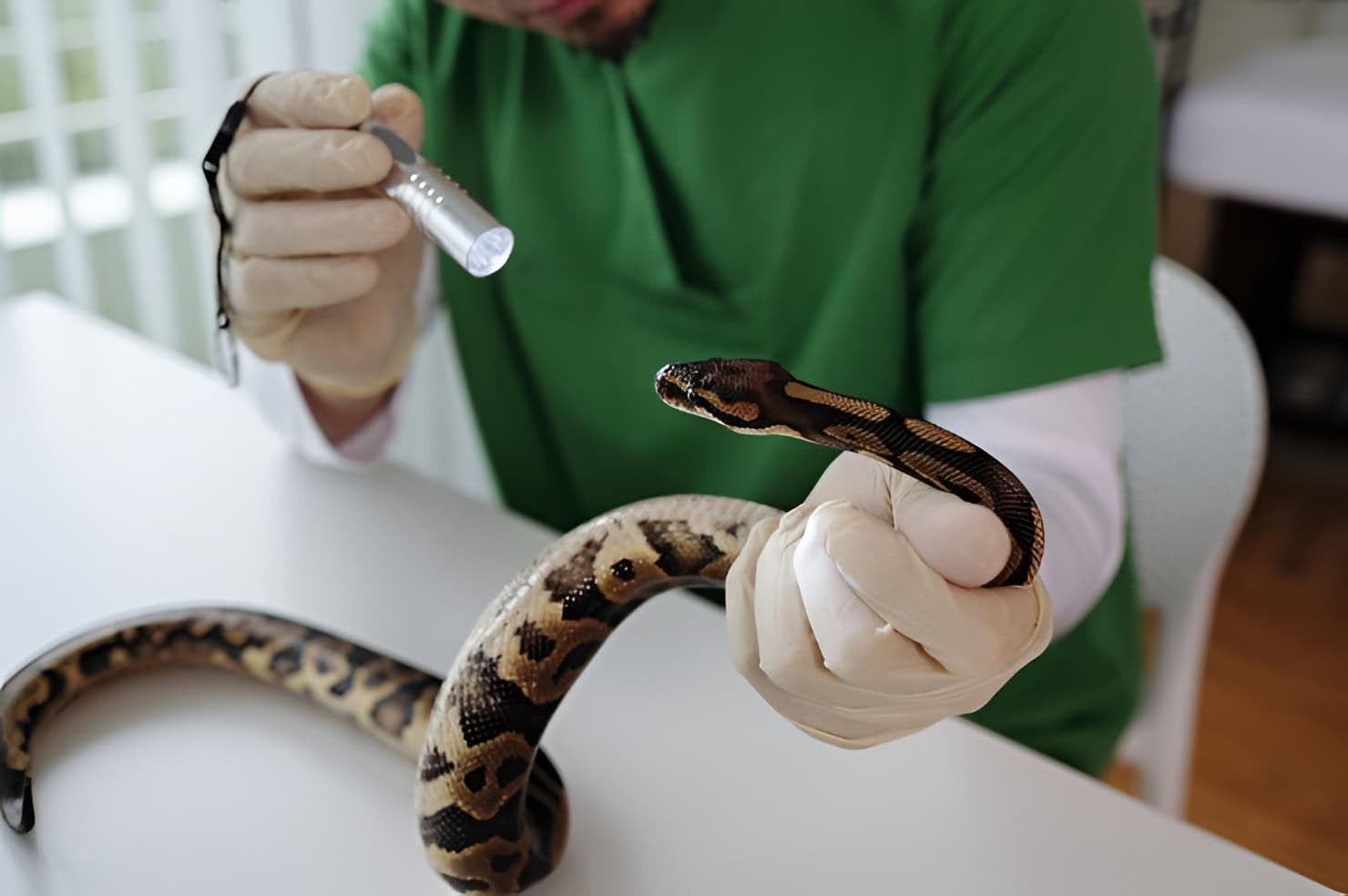
Australia is world-renowned for its incredible biodiversity, pristine natural landscapes, and unique wildlife. Effective snake control is a genuine concern for property owners right across the country, given that Australia is home to some of the most venomous elapid species on earth, including the Eastern Brown Snake, Tiger Snake, and Inland Taipan.
For many homeowners, particularly those living in semi-rural acreage estates, properties bordering national parks, or leafy suburban pockets, encountering a snake on the property is a regular and highly stressful occurrence. While snakes are a protected and vital part of our natural ecosystem, having one curl up under your children’s backyard trampoline or slip into your laundry room creates a genuine safety hazard.
Understanding how to manage these reptiles safely and legally is a critical skill for every Australian property owner. In this comprehensive, educational guide, we will break down the mechanics of professional snake control, analyse why standard DIY approaches fail, outline the best habits for snake prevention, and discuss how to keep your household secure.
1. The Legal Framework: Why Humane Snake Management Matters
Before discussing individual species or preventative techniques, it is crucial to establish the legal realities of dealing with snakes in Australia.
It is entirely illegal to kill, injure, capture, or relocate a snake yourself unless you hold a specialised, state-issued damage mitigation licence. Harming a native reptile can result in severe financial penalties or criminal prosecution.
Furthermore, historical data from Australian medical institutions shows that the vast majority of snake bites occur when an untrained homeowner attempts to corner, strike, or kill a snake using a garden shovel or lawn tool. When threatened, a snake will defend itself with blinding speed. Therefore, effective snake control relies heavily on non-lethal deterrents, environmental modification, and invoking professional, licensed intervention when an animal must be physically moved.
2. Knowing Your Visitor: Basic Identification and Behaviour
To properly execute a strategy for snake pest control, you must understand what drives these animals to venture onto your property. Snakes are ectothermic (cold-blooded), meaning they cannot internally regulate their own body temperature. Their behaviour is dictated entirely by the climate and seasonal shifts:
- Brumation (Winter): During the colder months, snakes enter a state of low metabolic activity known as brumation. They look for deep, dark, insulated voids such as rock retaining walls, concrete expansion joints, and concrete slabs to sleep undisturbed.
- Wandering (Spring & Summer): As temperatures rise, snakes emerge to bask in the sun, find a mate, and hunt down food. This is the peak period for residential encounters.
- Seeking Shelter (Extreme Summer): During periods of intense heatwave or drought, snakes actually retreat indoors or move closer to residential structures to seek out cool shade and reliable water sources.
When a snake enters your yard, it is looking for three basic resources: food, water, and shelter. If your property provides these three elements, you are running a permanent sanctuary for local wildlife.
3. The Dangerous Connection: Rodent Activity and Snakes
If you notice a recurring issue with snakes on your property, you almost always have an underlying pest problem. Snakes are highly efficient carnivores, and their preferred prey consists of small mammals, specifically rats and mice.
Rodents are drawn to human developments because of easily accessible food sources like unsealed garbage bins, spilled pet food kibble, compost heaps, and chicken coops. If your garage, subfloor, or roof void is playing host to a breeding colony of mice, the local snake population will naturally track them using their highly sensitive chemical receptors (vomeronasal organs).
Therefore, any long-term, successful program for snake management must start with a comprehensive, professional rodent pest control program. By sealing structural entry points and systematically eliminating the local rodent population, you remove the primary food source that draws snakes to your boundaries, making your property significantly less attractive to reptiles.
4. High-Risk Zones on Residential Properties
Snakes are ambush predators that rely heavily on camouflage to hunt and protect themselves from birds of prey. They rarely sit out in the middle of a short, open green lawn. Instead, they target specific, high-risk micro-habitats around your property:
Long Grass and Unmanaged Overgrowth
Uncut grass, sprawling groundcover weeds, and dense garden beds provide an excellent visual shield. A snake can navigate through long grass completely unseen, moving right up to your patio steps or external doors.
Stored Building Materials and Junk Piles
Stacks of old roof tiles, timber offcuts, corrugated iron sheets, and scrap metal left sitting in the backyard create perfect, insulated artificial caves. These structures mimic natural rock crevices, providing a highly protected space for brumation and breeding.
Heavy Garden Mulch and Rock Retaining Walls
Thick layers of garden mulch retain heat and moisture, attracting frogs and lizards, which are a primary food source for juvenile snakes. Furthermore, dry-stone retaining walls feature deep internal gaps and hollows that snakes regularly use as permanent nesting sites.
Overhanging Trees and Climbers
Certain species, such as the highly agile Carpet Python, are excellent climbers. Overhanging tree branches that touch your roof tiles or gutter systems act as an open bridge, allowing snakes to crawl past your ground-level barriers and slip directly into your roof space or wall voids, often following the scent of nesting birds or roof rats.
5. Professional Snake Inspection Services: Finding the Vulnerabilities
If you have spotted a snake skin in your garage or are worried that an active reptile is nesting near your children’s play equipment, the best first step is to book a professional snake inspection.
Licensed technicians bring a deep, scientific understanding of herpetology and structural construction to map out your property’s weaknesses. A thorough inspection involves:
- Identifying Entry Points: Inspecting the complete external perimeter of the building to find gaps under external doors, damaged weep-hole screens, degraded ventilation bricks, and openings around plumbing pipes.
- Analysing Food Sources: Auditing the property for hidden pest colonies (cockroaches, crickets, and mice) that form the baseline food chain for reptiles.
- Environmental Risk Assessment: Providing a customised report highlighting exactly which landscape features (such as decorative ponds, specific groundcovers, or dense woodpiles) are actively inviting snake activity.
By completing professional snake inspection services, you gain a clear, actionable blueprint to permanently secure your home’s structural boundaries.
6. Proactive Snake Prevention Tips for Homeowners
While you cannot control the broader Australian wilderness, you can make your property far less inviting to reptiles. Implement these practical, high-impact snake prevention steps to secure your perimeter:
- Maintain Short Lawns: Keep your grass mowed short, right up to your boundary fences. Short grass removes visual cover, making snakes feel vulnerable to predators and forcing them to stay away from your open spaces.
- Elevate Storage Piles: If you must store firewood or building materials outdoors, keep the logs stacked neatly and elevate the entire pile at least 30cm off the ground using concrete blocks or heavy-duty galvanised steel racks. This eliminates ground-level nesting voids.
- Clear Ground Clutter: Remove empty flowerpots, discarded tyres, old machinery, and piles of autumn leaves from your yard.
- Snake-Proof Your Chicken Coops: Chicken coops are primary snake attractants due to the presence of eggs, baby chicks, and scattered bird grains that draw rodents. Line your entire coop with a fine, heavy-duty wire mesh (mesh openings under 6mm) and bury the mesh 30cm deep into the soil to prevent burrowing entries.
- Manage Backyard Moisture: Fix leaking garden taps, clear blocked stormwater drains, and avoid leaving large pet water bowls sitting out in exposed areas. In hot, dry summers, access to water is a major reason snakes move closer to residential entertainment zones.

7. Structural Exclusion: Preventing Indoor Access
The most terrifying experience for any homeowner is finding a snake inside the living space. Unlike rodents, snakes cannot chew through materials, meaning they can only enter your home through pre-existing gaps, cracks, or open doors. Fortifying your architectural layout is highly effective:
Install Heavy-Duty Door Seals
A snake can compress its ribs to slide through an opening as narrow as a human thumb. Install tight-fitting, rubber weather strips or heavy-duty bristle draft-excluders at the base of all external doors, including your main garage doors.
Install Stainless Steel Weep Hole Covers
Weep holes are essential for brickwork ventilation, but they act as open entryways for climbing ants, common house spiders, and juvenile snakes. Retrofit your property with specialised stainless steel weep hole covers that allow airflow while blocking entry.
Repair Flyscreens and Window Meshes
Ensure all flyscreens on windows and security doors are completely free of tears or loose corners. If you prefer to leave windows open on hot summer nights to catch a breeze, pristine screens are your absolute frontline shield.
8. Integrated Property Protection: The Forensic Strategy
True safety is achieved through a multi-layered approach to pest management. When you require a robust defensive barrier around your home, the most effective strategy is to combine reptile defence with comprehensive, professional services that target the broader ecosystem.
By pairing snake exclusion with comprehensive home pest control routines, you effectively eliminate the insects, frogs, and rodents that sit at the bottom of the food chain. Furthermore, during our detailed safety sweeps, our technicians can evaluate your roof void and solar arrays, offering specialised solar panel bird proofing to remove nesting birds whose eggs and chicks actively attract climbing pythons.
If structural issues are discovered during an audit, we can also integrate an annual termite inspection to keep your entire foundation safe, stable, and completely secure from all invasive species. For corporate or light industrial facilities, our commercial pest control branch delivers fully documented, audit-ready compliance programs to protect your workplace, staff, and operations.