How to Get Rid of Pigeons: Safe & Effective Removal Methods
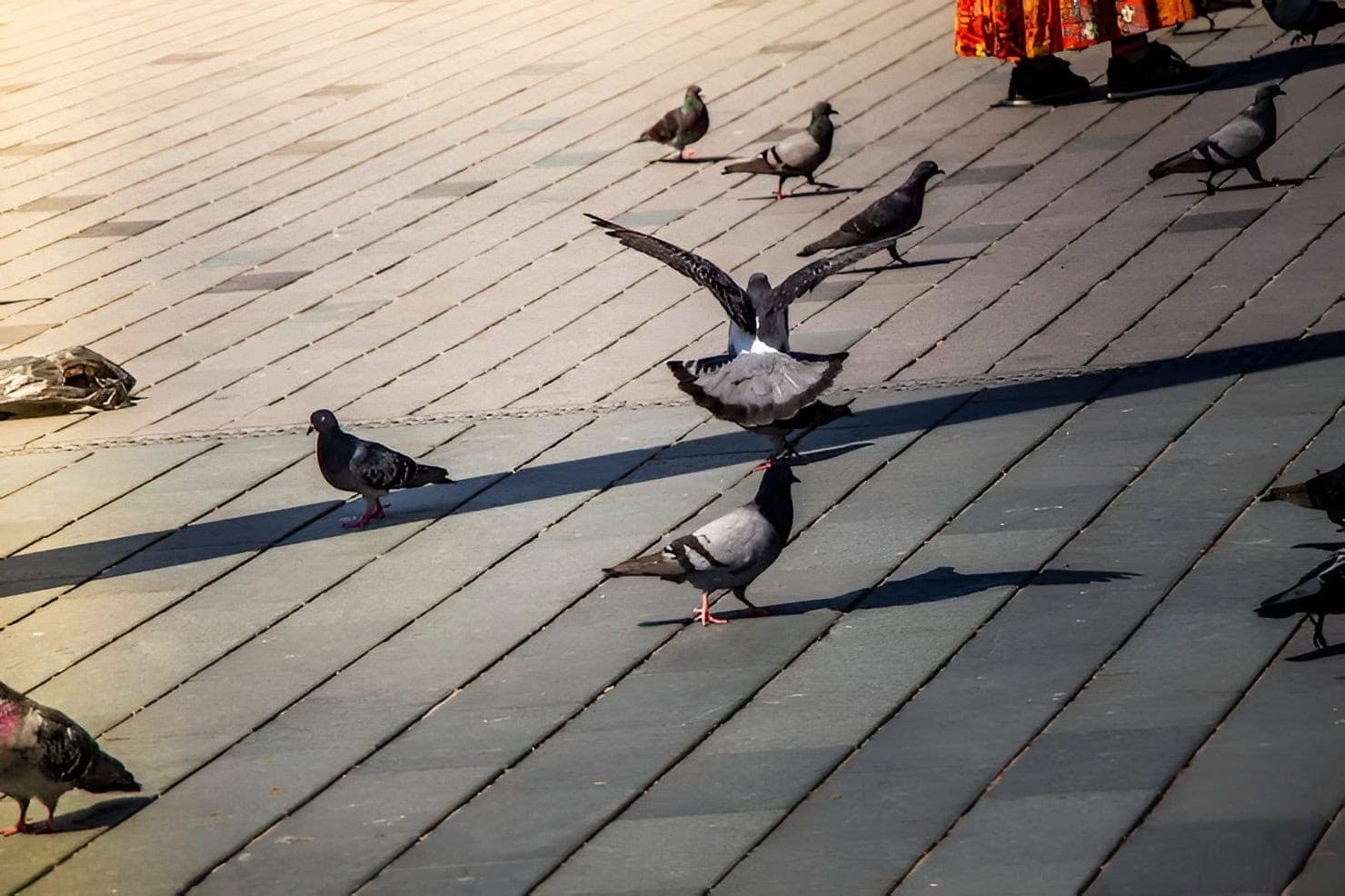
If you’re trying to work out how to get rid of pigeons for good, you’re not alone. Urban architectural expansion, structural design trends, and the highly adaptive nature of feral birds have combined to make avian management a major priority for property owners. Feral pigeons (Columba livia) are undeniably the most persistent avian pests facing residential properties, strata complexes, and commercial facilities across Australia. While a single bird resting on a boundary fence line is harmless, a breeding flock establishing a permanent roosting site on your structure represents a severe property and public health liability.
Pigeons are creatures of intense habit. They possess a highly developed homing instinct and an evolutionary preference for nesting on high, protected cliff faces, a characteristic that makes modern multi-storey buildings, roof voids, eaves, and solar panel arrays perfect structural alternatives. Once a flock establishes a roosting zone on your building, they will not simply migrate on their own. Managing the issue requires shifting from basic, short-term scares to structured, permanent exclusion protocols.
Learning how to get rid of pigeons safely and effectively involves understanding their behavioural dynamics and deploying commercial-grade structural barriers. This detailed guide breaks down the primary hazards of an unchecked infestation, analyses the most effective pigeon deterrents, and outlines the professional protocols required to execute long-term pigeon proofing across your property portfolio.
1. The Real Cost of an Unchecked Pigeon Infestation
Many property owners delay taking action because they view feral birds as a purely cosmetic nuisance. This delay can prove highly expensive. The presence of a mature flock inflicts significant physical and environmental damage that extends far beyond an unsightly entryway.
The Corrosive Nature of Avian Waste
Pigeon droppings contain high concentrations of uric acid, carrying a highly acidic pH level typically ranging between 3.0 and 4.5. When accumulation is left untreated on architectural surfaces, this liquid acid actively eats through premium protective coatings, industrial paints, and waterproofing membranes. Over time, it causes permanent pitting in structural concrete, ruins expensive metal roofing sheets, and degrades underlying timber structural frameworks.
Deep-Seated Health and Hygiene Hazards
Feral flocks function as primary environmental reservoirs for dangerous pathogens and airborne fungal spores. Dried droppings break down into a fine, powdery dust that can easily be drawn into building air conditioning intakes and ventilation systems. Exposure to this dust can introduce serious respiratory illnesses such as Histoplasmosis, Cryptococcosis, and Psittacosis to residents, employees, or customers.
Furthermore, active nesting zones are heavily infested with ectoparasites. When birds leave a nest, thousands of microscopic bird mites (Ornithonyssus sylviarum) will actively migrate through ceiling plasterboards, down internal walls, and into living spaces looking for a fresh blood meal, causing intense skin irritation and allergic welts for human occupants.
2. Comprehensive Guide to Safe & Effective Pigeon Deterrents
Successfully resolving a persistent avian issue requires moving completely away from amateur DIY tricks. Visual scare tactics like plastic owls, reflective tape, or moving shiny objects lose their effectiveness within a matter of days as the birds quickly adapt and realise there is no genuine threat.
True pigeon removal relies entirely on changing the physical environment so the birds can no longer land, roost, or build nests. The following commercial-grade barriers represent the absolute benchmark for modern bird control:
1. Premium Polycarbonate or Stainless Steel Spikes
Bird spikes remain one of the most visible and widely deployed mechanical pigeon deterrents globally.
- How They Work: Spikes do not harm the birds; instead, they function as a physical footprint barrier. By installing dense rows of angled rods along narrow structural surfaces, you make it physically impossible for a pigeon to land cleanly or compress its legs to settle down.
- Best Applications: Ideal for exposed building ledges, structural steel beams, parapets, window sills, and commercial signage boards where birds gather to scout out the surrounding terrain.
2. Commercial-Grade Tensioned Bird Netting
When you need to protect large, open structural zones or complex architectural frameworks, heavy-duty netting provides an impenetrable, long-term shield.
- How They Work: Netting completely blocks access to vast open areas. Professional installations utilise high-tensile, UV-stabilised polyethylene netting securely anchored to a stainless steel perimeter cable framework, ensuring the barrier remains taut and functional under heavy weather conditions.
- Best Applications: Perfect for wide residential balconies, open warehouse loading docks, internal roof spaces, HVAC plant rooms, and undercover carparks.
3. Tensioned Bird Wire Systems
For premium architectural properties where maintaining a clean, unaltered aesthetic design is just as important as structural defence, tensioned wire systems offer a highly discreet alternative.
- How They Work: This system uses fine, nylon-coated stainless steel wires suspended on specialised stainless steel posts and tensioned with micro-springs. When a pigeon attempts to land on the wire, the line flexes and creates an unstable, wobbly footing, forcing the bird to fly away to find a more solid resting place.
- Best Applications: Highly suited for wide heritage stone ledges, modern glass balustrades, window architraves, and premium commercial facades.
4. Specialised Solar Panel Mesh Skirts
The rapid adoption of residential clean energy systems has created a massive spike in localised pigeon infestations across suburban neighbourhoods. The warm, protected 10cm gap beneath roof solar panels represents absolute luxury real estate for a breeding feral pair.
- How They Work: Perimeter mesh skirts seal off the vulnerable under-panel cavity completely. High-quality systems use heavy-gauge, galvanised or plastic-coated steel mesh fastened firmly to the outer lip of the solar frames using specialised non-destructive clips that lock the birds out permanently without drilling into the arrays or voiding your manufacturer warranty.
- Best Applications: Mandatory for any residential or commercial roof solar array experiencing bird activity.

3. The Professional 4-Stage Pigeon Removal Protocol
Executing successful pigeon proofing involves much more than simply sticking down commercial products. If barriers are installed over existing nesting waste, you permanently lock in hazardous bio-contaminants and severe mite populations directly against your building. Professional operators strictly follow a structured four-stage process:
Stage 1: Forensic Site Diagnostics
A comprehensive inspection to map out active nesting zones, night roosts, and casual daytime resting points. This tracking allows the technician to select the exact mix of physical barriers required to match the flock’s specific level of attachment to the property.
Stage 2: Bio-Hazard Remediation & Sanitisation
Before any physical defence system is installed, the entire treatment zone must be thoroughly cleaned. This involves removing all organic nests, scraping away hardened droppings, and saturating the area with commercial-grade biocides and specialised ovicides to eliminate dangerous pathogens, bacteria, and hidden bird mite populations.
Stage 3: Professional Barrier Installation
The precise architectural fitting of your chosen mechanical barriers, whether that involves custom steel mesh panels, heavy-duty perimeter netting, or industrial spike arrays, ensures the completed installation is secure, weather-resistant, and visually clean.
Stage 4: Strategic Environmental Modification
Reducing local attractants across the property. This involves installing bird-proof garbage lids, eliminating open standing water hazards, and educating property occupants on the critical importance of stopping all casual food scraps from being left outdoors.
4. Integrating Your Total Property Protection Strategy
Maintaining a safe, compliant, and structurally sound real estate asset requires a comprehensive approach to property care. Environmental factors that attract feral birds such as open rooflines, high ledge vantage points, and sheltered cavities are often highly appealing to a wide range of secondary urban pests.
Integrating your long-term avian protocols across specialised preventative service lines ensures comprehensive protection across your entire property:
- Comprehensive Solar & Roof Line Defence: Combining expert bird exclusion mesh with specialised solar panel bird proofing protocols locks out feral flocks, protects your solar efficiency, and stops dried nesting debris from blocking your drainage networks.
- Commercial Compliance Management: Linking your exterior avian barriers with ongoing commercial & industrial protection safeguards your business from health department disruptions, protects inventory, and keeps your service logs ready for food safety audits.
- Structural Timber Protection: The high moisture conditions and organic debris left behind by bird nests can create an ideal environment for destructive wood-destroying insects. Combining your avian management with annual termite inspection services shields your building’s timber framework from silent, costly structural damage.
- Vermin Control Integration: Open external spaces that support scavenging birds can also attract opportunistic rodents. Implementing professional rodent pest control programs identifies hidden entry points in your weep holes and roof lines, locking rats and mice out permanently.
- Domestic Maintenance Upgrades: Setting up comprehensive home pest control packages builds a reliable, year-round barrier that shields your internal living spaces from seasonal ants, cockroaches, and spiders in a single visit.