

The Complete Guide to Pantry Pests: How They Invade Australian Homes
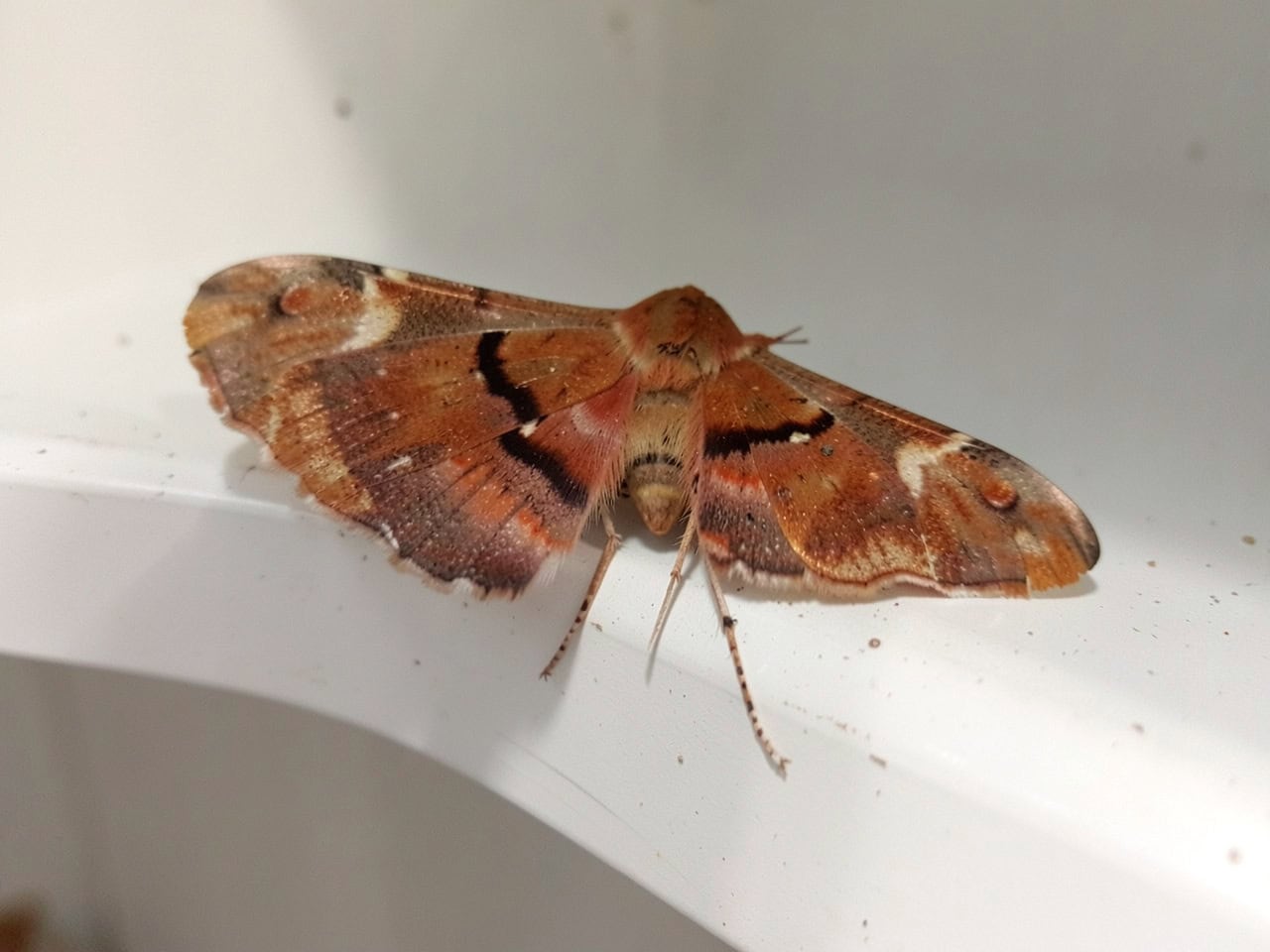
Discovering small crawling insects in your flour, tiny cocoons webbed into the corners of your cereal boxes, or small moths fluttering out of your kitchen cupboards is a frustrating experience for any Australian homeowner. Collectively known as pantry pests, or stored product pests, these highly invasive insects specialise in infesting dry food goods stored within kitchen larders, pantries, and commercial food preparation areas.
Unlike structural pests like termites or dangerous invaders like venomous spiders, pantry pests do not bite, sting, or damage the structural timbers of your house. However, they are highly destructive in their own right, capable of spoiling expensive dry ingredients, generating significant food waste, and creating hygiene risks for your household. Because these insects breed rapidly inside food sources, a minor issue can quickly escalate into a widespread infestation that spreads across your entire kitchen.
In this educational guide, we will explore the biology behind the most common pantry bugs, analyse the specific ways pantry insects invade your property, outline how to identify pantry beetles and pantry moths, and provide a step-by-step strategy to eliminate them permanently.
1. What Are Pantry Pests? Understanding Stored Product Insects
In the professional timber pest control and urban management industry, pantry pests are classified under the umbrella term stored product pests. This biological classification refers to any insect species that has adapted to feed on, breed inside, and inhabit processed or raw dry foods.
The Biological Lifecycle
Most stored product insects undergo complete metamorphosis, progressing through four distinct life stages:
- Egg: Microscopic and completely invisible to the naked eye, these eggs are laid directly onto or inside a viable food source.
- Larva: The caterpillar- or maggot-like feeding stage. The larvae are the true culprits behind food destruction, consuming massive amounts of carbohydrates or proteins to fuel their growth.
- Pupa: The transitional stage where the larva spins a protective cocoon to transform into an adult.
- Adult: The winged moth or beetle stage. At this point, the insect’s primary drive is to locate a mate and find a fresh food source to deposit the next generation of eggs.
Because kitchen pantries remain dark, climate-controlled, and packed with nutrients, they offer an artificial paradise that allows these insects to breed uninterrupted throughout the entire year.
2. Common Types of Pantry Bugs Found in Australia
Australian kitchens play host to a specific lineup of pantry bugs. Successfully treating an infestation starts with accurate species identification, as different stored product insects target different food groups.
Pantry Moths
The single most prevalent stored product pest across Australia is the Indian Meal Moth (Plodia interpunctella).
- Adult Appearance: Small, slender moths measuring roughly 8mm to 10mm in length. Their wings display a distinct two-toned pattern — the upper third is a pale grey or tan, while the lower two-thirds show a rich copper-red or bronze metallic sheen.
- Larval Appearance: Creamy-white, pinkish, or light green caterpillars with dark brown heads.
- Preferred Target Foods: Cereal boxes, rolled oats, dried fruits, nuts, milk chocolate, birdseed, dry pet food, and flour.
- The Warning Flag: Larvae spin extensive trails of fine, sticky silken webbing as they feed through flour and grains. If you see clumps of oats or flour sticking mysteriously to the sides of a packet, active larvae are spinning webs inside.
Pantry Beetles
While moths are easily spotted fluttering around kitchen downlights, a wide variety of pantry beetles quietly invade packaging at the shelf level.
1. The Saw-Toothed Grain Beetle (Oryzaephilus surinamensis)
- Appearance: Tiny, flat, slender reddish-brown beetles measuring only 2.5mm to 3mm. Under magnification, they feature six distinct, saw-like teeth along each side of their thorax.
- Preferred Foods: Common pantry staples such as breakfast cereals, dried fruits, pasta, nuts, yeast, and dry biscuits. Because they are exceptionally flat, they can slide into cardboard packaging through microscopic gaps in sealed plastic bags.

2. The Weevil Family (Rice and Maize Weevils)
- Appearance: Small, robust, dark brown to black beetles (3mm to 4mm) easily distinguished by their elongated, trunk-like snouts or “rostrums”.
- Preferred Foods: Whole grains, including raw rice, corn kernels, wheat grains, and whole pasta shapes.
- Unique Damage: Female weevils use their snouts to chew a tiny hole directly into a solid grain of rice or wheat, deposit a single egg inside, and seal the opening with a gelatinous fluid. The larva hatches inside the grain, consumes the interior starch, and eventually emerges as an adult beetle — leaving a hollow shell in its wake.
3. The Drugstore Beetle (Stegobium paniceum) and Cigarette Beetle (Lasioderma serricorne)
- Appearance: Small, oval, reddish-brown beetles (2mm to 3.5mm) covered in fine, microscopic hairs. Their heads are tucked downward, giving them a distinct “humpbacked” appearance when viewed from above.
- Preferred Foods: Highly versatile feeders that consume flour, spices (especially paprika, chili powder, and coriander), dried herbs, pet kibble, and even non-food items like books and leather.
3. How Pantry Insects Invade Your Kitchen
A common source of frustration for homeowners dealing with pantry bugs is cleanliness. You can scrub your kitchen benches daily, maintain spotless stone benchtops, and mop your floors weekly, yet still end up with a severe infestation. Why? Because pantry pests rarely enter your home from the outside environment.
The Trojan Horse of Grocery Shopping
The vast majority of stored product infestations are brought into your home completely accidentally as “hitchhikers” inside groceries purchased from supermarkets, bulk-food cooperatives, or pet supply stores.
Contamination typically occurs high up in the supply chain inside grain silos, commercial packaging mills, transport shipping containers, or wholesale distribution warehouses. Microscopic eggs or tiny larvae are packed directly inside plastic bags of flour, bags of rice, or boxes of muesli. When you place those purchases onto your pantry shelves, the eggs hatch, and the young insects chew their way out of the plastic or cardboard liners to infest surrounding food containers.
Factors That Accelerate an Outbreak
Once inside your kitchen, several environmental factors can accelerate their reproduction:
- Cardboard and Soft Plastic Storage: Leaving dry goods in their original paper bags or flimsy, unsealed plastic wraps is an open invitation. Pantry beetles and moth larvae have sharp, chewing mouthparts capable of cutting directly through paper, thin foil, and standard sandwich bags.
- Spilled Ingredients: Loose flour dusted over shelves, scattered rice grains caught in the tracks of sliding pantry drawers, or spilled pet food creating crumbs provide an abundant food source outside of main packets.
- Infrequently Rotated Stock: Leaving old specialty flours, baking ingredients, or dry soup mixes untouched at the back of a deep cupboard for 12 to 24 months gives a colony the quiet, undisturbed sanctuary it needs to complete multiple reproductive lifecycles.
4. Step-by-Step Guide: How to Get Rid of Pantry Pests
If you have confirmed an active stored product issue, you must take a systematic approach to eliminate it. A quick surface spray or throwing away a single box of cereal will not resolve hidden eggs or wandering larvae. Follow this strict cleaning routine to reclaim your kitchen:
Step 1: The Total Pantry Evacuation
Empty absolutely every item out of your kitchen cabinets, larders, and drawers. Move all food items to an easily cleanable surface, like a large dining table or kitchen island bench. Do not leave any packets inside the pantry area, as you need total access to the bare timber or laminate structures.
Step 2: The Forensic Packaging Audit
Inspect every single item carefully under bright light. Look for active crawling beetles, small silken webs, cocoons tucked under box flaps, or unusual clumping in powders.
- The Disposal Rule: If a packet shows any active sign of infestation, place it directly into a heavy-duty garbage bag. Seal the bag tightly and take it immediately to your external Council wheelie bin. Do not leave the garbage bag sitting inside your kitchen overnight.
- When in Doubt, Toss It Out: If an open paper bag of flour or sugar has sat adjacent to an infested item for months, it likely contains microscopic eggs. It is safer to discard it than to risk starting the cycle over again.
Step 3: Temperature Remediation for Safe Items
For items that appear clear but were stored near infested goods (such as raw rice, whole grains, or nuts), you can perform preventative temperature treatments to destroy any invisible eggs:
- The Freezing Method: Place the dry food packets inside a deep freezer at -18°C or colder for at least 4 to 7 days. Extreme freezing permanently deactivates the life stages of all common pantry bugs.
- The Heat Method: Spread grains in a thin, even layer over a baking tray and place in an oven preheated to 60°C for 30 to 45 minutes. Keep a close eye on them to make sure the food does not over-bake or scorch.
Step 4: High-Powered Vacuuming and Sanitisation
Turn your attention to the empty cupboards.
- Use a high-powered vacuum cleaner fitted with a narrow crevice nozzle to clear out all loose debris. Pay strict attention to shelf support peg holes, deep corners, gaps behind drawers, and the undersides of shelves. Moth larvae love to crawl into these dark crevices to pupate.
- Wipe down all hard surfaces using a cloth dampened with a warm water and white vinegar solution. Vinegar alters the surface pH, neutralises residual skin oil traces, and disrupts the pheromone trails left behind by breeding insects.
- Crucial: Empty your vacuum canister or discard the vacuum bag into your external bin immediately after use. Do not leave it sitting indoors.
5. Proactive Pantry Prevention Tips
Once your kitchen has been thoroughly cleared and sanitised, implement these simple, practical habits to ensure pantry moths and beetles never secure a foothold again:
Invest in Airtight Glass or Rigid Plastic Containers
This is your single best defensive shield. Transfer all newly purchased dry ingredients, including flour, sugar, pasta, oats, rice, and spices, out of their original paper or soft plastic bags and place them into heavy-duty glass jars or rigid plastic containers fitted with silicone airtight lids. This practice creates two distinct barriers: if you accidentally bring home an infested item, the insects are permanently trapped inside that single container and cannot spread; conversely, if a pest is loose on a shelf, it cannot chew through rigid plastic or glass to access clean food.
Practice First-In, First-Out (FIFO) Stock Rotation
When restocking your kitchen after a grocery shop, place newly purchased items at the back of the shelf and move older items to the front. Use up older packages before opening new ones to prevent dry ingredients from sitting neglected for months in dark corners.
Clean up Kitchen Spills Immediately
Avoid letting loose flour, sugar crystals, or cereal crumbs accumulate on your shelves. Make it a habit to wipe down your cupboard shelves once a month to remove organic residue.

Avoid Bulk Buying Highly Perishable Dry Goods
Unless you run a high-volume commercial kitchen or have a large family, avoid buying massive 10kg or 20kg bags of specialty flours, grains, or whole spices that will take over six months to consume. Buying smaller quantities reduces the window of opportunity for stored product insects to breed.
6. Professional Edge: When to Call for Expert Management
While a minor breakout can often be resolved through a strict cleaning protocol and proper container upgrades, deep-seated or recurring infestations are best handled by professional home pest control services.
The Problem with Submarket Insect Sprays
Using standard supermarket bug sprays inside food storage cabinets is highly discouraged. Chemical sprays present an immediate risk of direct food contamination if applied near dinnerware or open pantries. Furthermore, generic bug sprays lack the residual power to eliminate hidden pupae tucked inside wall cavities or behind built-in kitchen joining panels.
Our Professional Approach
When a certified pest technician tackles a persistent stored product pest issue, they deploy an advanced, multi-layered management plan:
- Species Verification: We identify the exact insect species involved, allowing us to map out their primary food targets and nesting behaviours.
- Targeted Pheromone Trapping: We place non-toxic, species-specific pheromone traps that mimic the mating signals of female moths or beetles. This safely captures adult males, instantly halting the breeding cycle and providing accurate data on the size of the population.
- Insect Growth Regulators (IGRs): Where appropriate, we use highly targeted IGR formulations within structural wall voids and gaps. These low-toxicity treatments do not target adult insects; instead, they disrupt the moulting process in larvae , preventing them from transforming into breeding adults.
By combining pantry remediation with comprehensive residential treatments, our team can simultaneously safeguard your property against broader structural risks through a detailed termite inspection or address dangerous web-builders through targeted common house spider control, giving your home well-rounded, long-lasting protection.