
The Benefits of Bird Netting for Sydney Property Owners
Sydney’s iconic skyline, beautiful coastal breezes, and leafy suburbs make it a world-class place to live and work. However, the urban environment also provides the perfect breeding ground for pest bird populations that demand effective bird netting solutions. From feral pigeons invading commercial loading docks in Parramatta to common mynas and starlings nesting under the eaves of homes in the Northern Beaches, avian intruders present a significant threat to structural integrity, public health, and business reputations.
For property managers, body corporates, and homeowners alike, finding a permanent solution to avian infestations is a high priority. While there are various bird deterrent systems available on the market, few methods match the reliability, durability, and sheer effectiveness of bird netting.
As a premier exclusion solution, bird exclusion netting prevents birds from landing, roosting, or nesting on your premises. Let’s explore the comprehensive benefits of investing in professional bird netting installations for Sydney properties and why this method stands out among modern bird control solutions.
Understanding the Sydney Bird Problem
Urban development across Greater Sydney has inadvertently created ideal habitats for several pest bird species. Structural ledges, exposed roof spaces, open-air carparks, and commercial facades mimic the natural cliff faces and hollows these birds look for when nesting.
The most common offenders across Sydney include:
- Feral Pigeons (Columba livia): Thriving in urban centres, these birds cause massive aesthetic and structural damage to commercial buildings.
- Common Mynas (Acridotheres tristis): Aggressive and highly adaptable, they frequently colonise residential roof cavities, creating severe noise and sanitation issues.
- European Starlings (Sturnus vulgaris): Known for building large, messy nests in tight structural gaps, increasing fire risks.
- Silver Gulls (Chroicocephalus novaehollandiae): A major headache for coastal commercial venues, cafes, and flat-roofed industrial complexes.
When these populations establish themselves on a property, they bring a host of problems that extend far beyond a bit of noise. Implementing heavy-duty bird netting remains the definitive way to reclaim your space.

1. Complete Physical Exclusion: The Ultimate Barrier
Many property owners initially turn to visual or auditory scaring tactics, such as plastic owls, reflective tape, or sonic deterrents. Unfortunately, urban pest birds are highly intelligent and rapidly become habituated to these methods. Once they realise the fake predator doesn’t move, they simply ignore it.
Bird netting works on an entirely different principle: total exclusion. By enclosing an area with high-specification bird exclusion netting, you create a physical wall that birds simply cannot penetrate.
Whether it is an expansive warehouse ceiling, a recessed building facade, an apartment balcony, or a plant equipment deck, the netting acts as an impenetrable shield. When installed correctly by a pest bird control specialist, it eliminates any opportunity for birds to access their preferred roosting zones, forcing them to move away from your property permanently.
2. Protection Against Structural Damage and Corrosion
One of the most compelling reasons to invest in bird-proofing is the destructive nature of bird droppings (guano). Bird guano is highly acidic, containing high concentrations of uric acid with a pH level typically between 3 and 4.5.
Over time, accumulation of droppings can cause irreversible damage to building materials:
- Corroding Metalwork: Guano eats through protective coatings, accelerating rust on steel beams, air conditioning units, and structural support systems.
- Damaging Roof Membranes: The acidic nature of the waste weakens concrete, rots timber framework, and destroys expensive waterproofing membranes on flat roofs, leading to internal water leaks.
- Ruining Painted Surfaces: Concrete facades, renders, and painted external walls quickly stain and degrade when exposed to constant dropping accumulation.
By installing heavy-duty bird netting over vulnerable areas, you prevent birds from gathering directly above these structures. This simple intervention saves tens of thousands of dollars in premature building repairs and repainting costs.
3. Mitigating Health and Safety Risks
Pest birds are widely recognised vectors for human diseases and ectoparasites. Allowing birds to nest on your property creates a significant public health hazard that can breach work health and safety (WHS) regulations.
Airborne Diseases
Accumulated droppings dry out and turn into a fine dust. When disturbed by wind or building ventilation systems, micro-particles containing fungal spores can be inhaled. This can lead to serious respiratory illnesses such as Histoplasmosis, Cryptococcosis, and Psittacosis.
Parasite Infestations
Bird nests are hotbeds for biting ectoparasites, particularly bird mites (Ornithonyssus sylviarum) and pigeon ticks. When the young birds leave the nest, thousands of starving mites migrate through wall cavities, vents, and ceilings into internal living or working spaces, biting human occupants and causing severe skin irritation and allergic reactions.
Slip and Fall Hazards
Fresh guano is incredibly slick. When deposited on walkways, fire escapes, loading docks, or entryways, it creates an immediate slip hazard for staff, tenants, and visitors, exposing property owners to substantial public liability claims. Deploying targeted bird control solutions like netting completely mitigates these operational vulnerabilities.
4. Cost-Effective, Long-Term Financial Value
While the upfront cost of professional bird-proofing via netting can be higher than buying temporary fixes, the return on investment (ROI) is exceptionally high.
Consider the ongoing costs of not having a permanent barrier:
- Repetitive Cleaning Bills: Hiring commercial pressure washers month after month to clear away unsightly guano and nesting debris.
- HVAC Maintenance: Clearing blocked air intakes and fixing units damaged by nesting materials.
- Solar Panel Degradation: Accumulations on solar arrays drop system efficiency dramatically and can cause hot-spot damage to panels.
High-grade polyethylene bird netting is UV-stabilised and designed to withstand the harsh Australian sun without becoming brittle or rotting. With an operational lifespan often exceeding 10 years when professionally installed, it represents a one-off capital expense that permanently eliminates recurring maintenance costs.
5. Discretion and Aesthetic Preservation
A common concern among property owners is that installing netting will ruin the architectural appeal of their building. Fortunately, modern bird deterrent systems are designed to be remarkably low-profile.
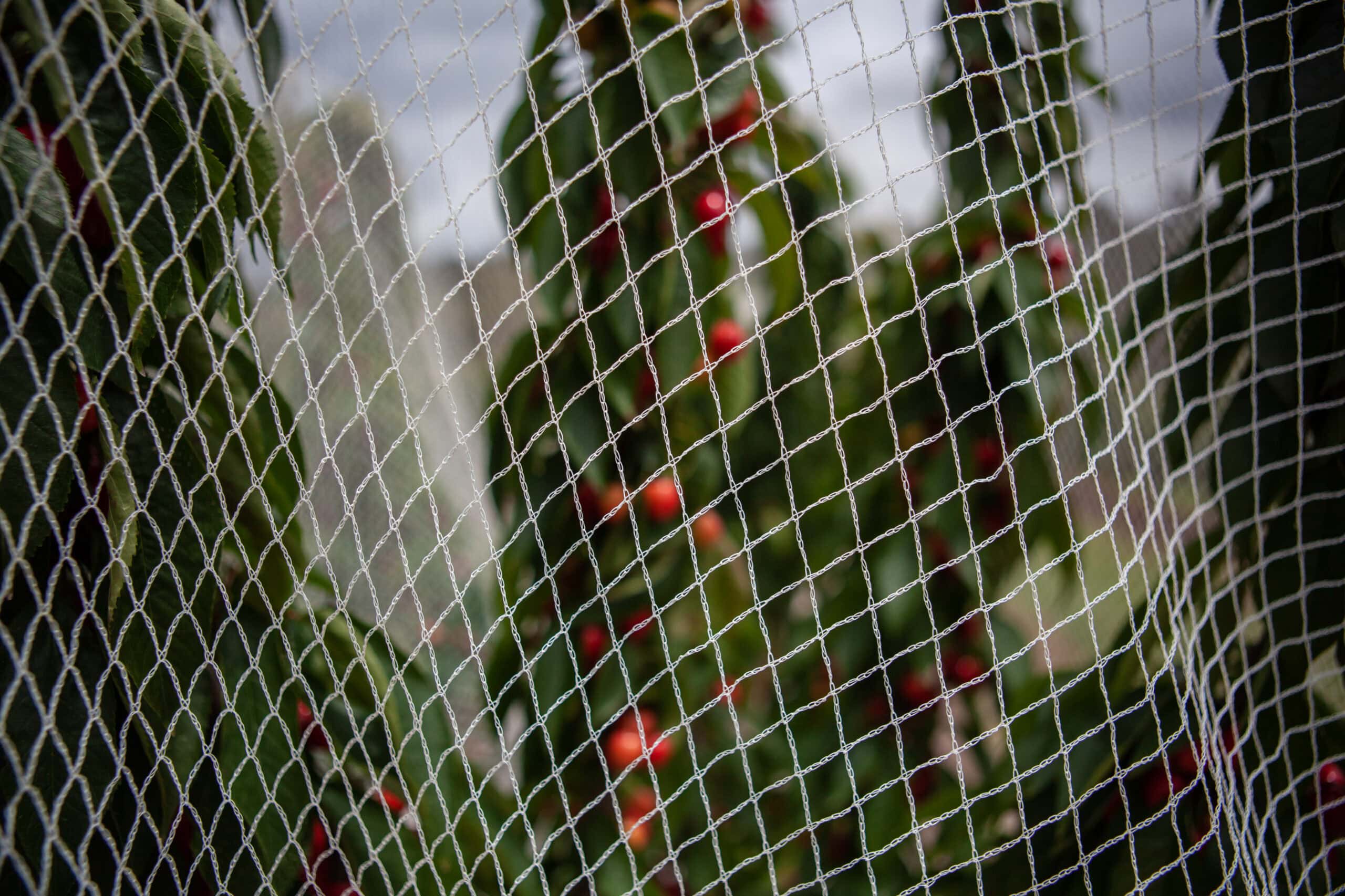
Quality bird exclusion netting is manufactured from fine, high-tensile translucent or black monofilament twines. When tensioned perfectly across a structural opening using a perimeter stainless steel cable system, it becomes virtually invisible from a short distance against the sky or building shadows. It allows natural light and airflow to pass through completely unimpeded, preserving the look of modern commercial facades, historical brickwork, or residential balconies.
The Importance of Professional Installation
While DIY netting options are available at local hardware stores, they rarely stand up to the rigours of long-term pest management. Professional bird control requires specialist tools, premium materials, and absolute precision.
Poorly tensioned netting can sag, creating gaps that clever birds will exploit to trap themselves inside, which raises a genuine animal welfare issue and a worse problem for the property owner. A professional installation ensures the net is perfectly adapted to the specific wind loads, structural anchoring points, and target bird species of your property, guaranteeing long-lasting success.