

How to Get Rid of a Wasp Nest Safely: The Ultimate Guide for Australian Homeowners
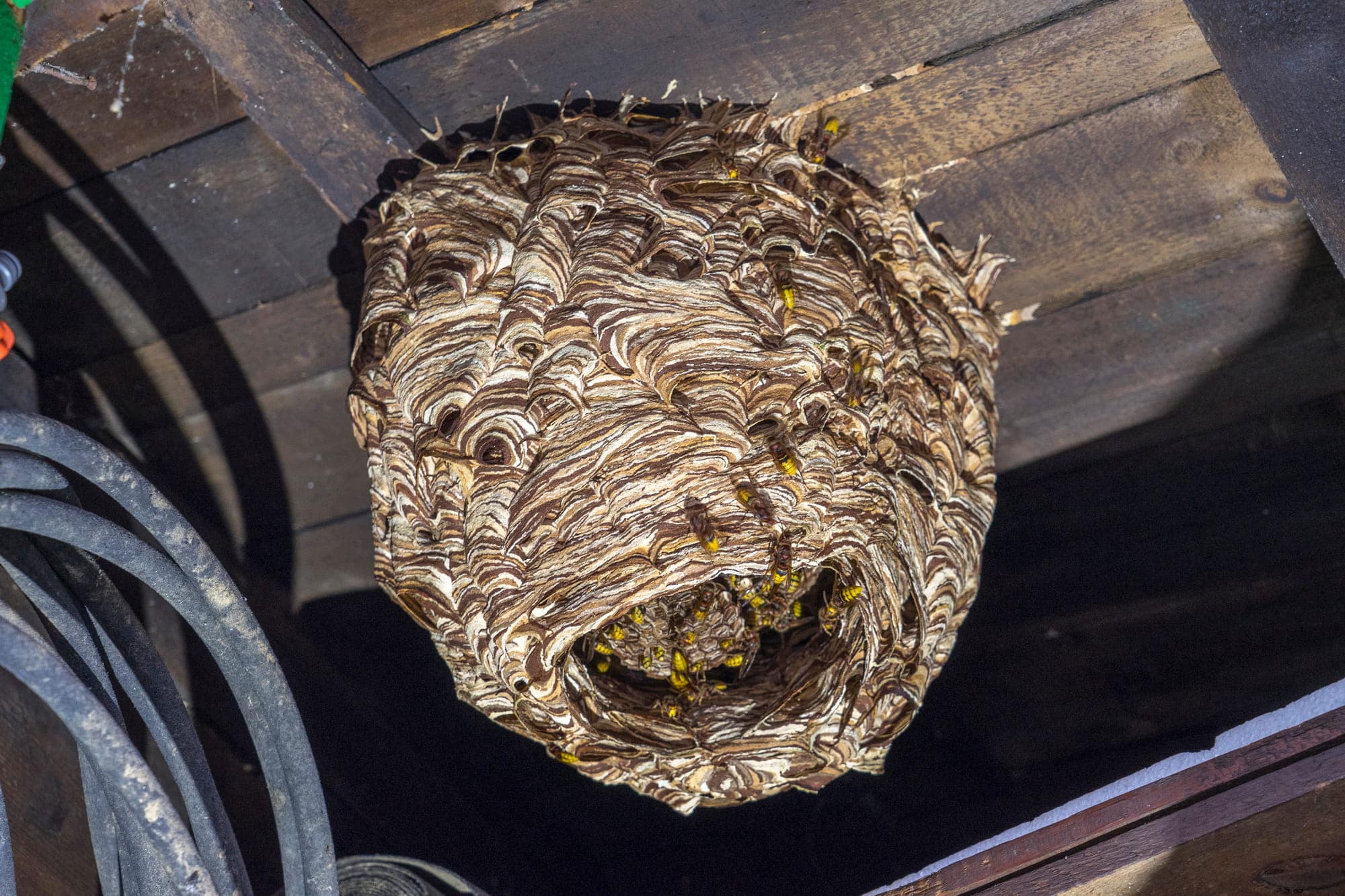
Discovering a swarming hazard on your property can instantly turn your peaceful backyard into a no-go zone. Whether they are building under your eaves, inside a garden shed, or within wall cavities, learning how to get rid of a wasp nest safely is crucial to protecting your family and pets from painful stings.
However, rushing into a DIY job without a solid plan is a recipe for disaster. European wasps and paper wasps are highly defensive, and a single mistake can trigger a coordinated attack. This comprehensive, expert-backed guide breaks down how to identify the risks, assess your options, and approach getting rid of a wasp nest without putting yourself in harm’s way.
Understanding Your Target: Common Australian Wasps
Before you attempt to remove wasp nest structures from your home, you need to know exactly what species you are dealing with. In Australia, two main types of wasps cause the most trouble for homeowners.
1. Paper Wasps
Paper wasps are the most common species spotted around residential areas. They build distinctive, cone-shaped nests that look like inverted umbrellas made from a grey, papery material. You will typically find these structures hanging from fence rails, window sills, roof eaves, or dense shrubbery. While they are generally less aggressive than other species, they will attack fiercely if their home is disturbed.
2. European Wasps
The European wasp (Vespula germanica) is a far more serious threat. These pests are notorious for their aggressive behaviour and their ability to sting repeatedly without losing their stinger. Unlike paper wasps, European wasps typically build massive nests hidden out of sight, often underground, inside wall cavities, or within roof voids. Because their colonies can house tens of thousands of individuals, wasp nest removal for this species is significantly more dangerous.
Warning: If you suspect you have a European wasp infestation inside your walls or underground, do not attempt a DIY fix. The sheer volume of insects requires professional intervention.
The Hidden Dangers of DIY Wasp Nest Removal
It is easy to underestimate the risks when looking up how to remove a wasp nest. Unlike bees, which generally die after stinging once, wasps can sting multiple times.
When a wasp colony is threatened, the insects release alarm pheromones, chemical signals that rally the entire nest to defend their territory. Within seconds, a simple DIY task can escalate into an emergency involving hundreds of stings. For individuals with an undiagnosed allergy to wasp venom, these stings can trigger anaphylaxis, a life-threatening medical emergency.

How to Get Rid of a Wasp Nest Safely: A Step-by-Step Approach
If you have a small, easily accessible paper wasp nest outdoors and are confident you do not have an allergy, you may choose to handle the situation yourself. Follow this strict safety protocol to minimise your risks when getting rid of a wasp nest.
Step 1: Wait Until Nightfall
Wasps are diurnal, meaning they are active during the day and return to their base at night. If you attempt to remove wasp nest locations during daylight hours, you will deal with returning foragers, increasing your chances of being stung. At night, the colony is sluggish, less responsive, and completely contained within the nest.
Step 2: Dress in Protective Clothing
Do not approach the area in shorts and a t-shirt. You need to create a physical barrier between your skin and the pests. Wear:
- Thick long-sleeved shirts and heavy trousers (jeans or canvas work trousers).
- Sturdy leather work gloves.
- Enclosed boots.
- A face mask or safety goggles to protect your eyes.
Step 3: Map Your Escape Route
Before you approach, look around and ensure your path is entirely clear of tripping hazards. If the colony swarms, you need to be able to retreat to a sealed, safe indoor area immediately without stumbling in the dark.
Step 4: Use the Right Professional Aerosol
Purchase a specialised, high-pressure wasp freezing spray from your local hardware store. These commercial sprays are engineered to shoot a pinpoint stream of insecticide from a safe distance (often up to three to four metres away), meaning you do not have to get physically close to the colony.
Step 5: Spray and Evacuate
Stand at a safe distance and thoroughly drench the opening of the nest with the aerosol spray. Once the nest is coated, do not linger to inspect your handiwork. Walk away immediately and retreat indoors. Leave the area completely undisturbed for at least 24 hours to let the residual chemicals eliminate any surviving insects.
Step 6: Physical Removal and Cleanup
After 24 to 48 hours, check the area from a distance to ensure there is absolutely no insect activity. Using a long broom handle or a scraper, knock the structure down into a plastic garbage bag. Seal the bag tightly and dispose of it in your outdoor bin. Wipe down the surrounding surface with a strong disinfectant or soapy water to remove the residual pheromones, which can attract future queens looking for a nesting site.
What NOT to Do When Removing a Wasp Nest
When searching for methods on how to get rid of a wasp nest, you will likely encounter several dangerous myths. Avoid these hazardous techniques at all costs:
- Using Water Hoses: Spraying a nest with a high-pressure hose will not drown the colony. It will simply break the nest apart, angering thousands of wasps and sending them directly toward you.
- Setting It on Fire: Attempting to burn a papery nest is incredibly dangerous. The material is highly flammable, and this method frequently results in severe property damage, structural house fires, and severe personal injury.
- Using a Ladder: Never attempt to remove wasp nest locations that require a ladder. If the colony attacks while you are elevated, your instinct will be to jump or run, leading to serious falls and broken bones.
Knowing When to Call the Professionals
While a tiny, early-stage nest can sometimes be managed at home, there are distinct scenarios where DIY strategies are simply too hazardous. You should always hire a licensed pest control technician for professional wasp nest removal if:
- The nest is located indoors, in a roof void, or inside a wall cavity.
- The colony belongs to the highly aggressive European wasp variety.
- The structure is inaccessible or located high off the ground.
- Anyone in your household has a known or suspected allergy to insect stings.
Professional pest controllers have specialised personal protective equipment (PPE), commercial-grade dusts and baits, and the technical training required to neutralise the threat efficiently without putting your household at risk.