

How to Identify Signs of a Pest Infestation in Your Home
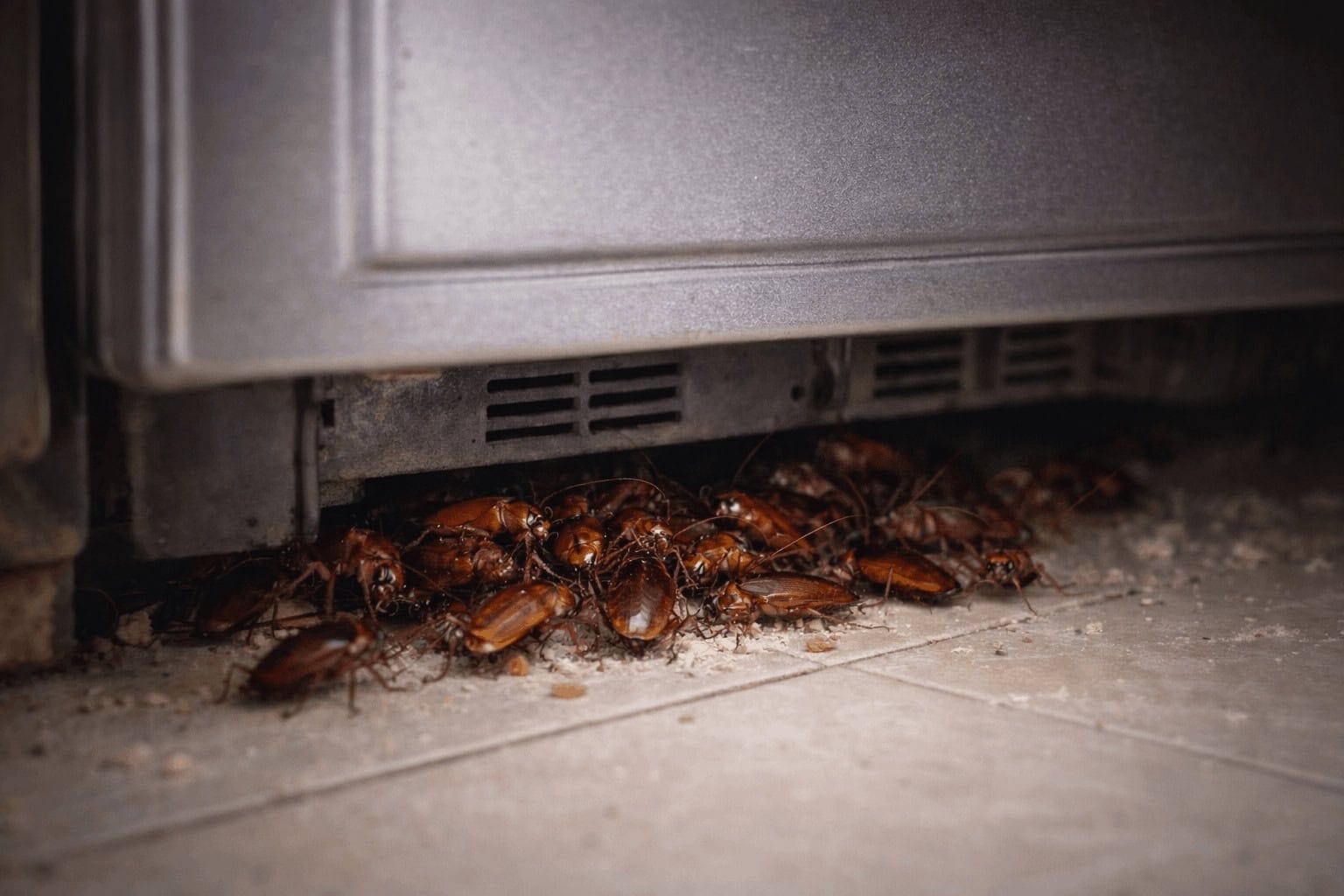
Nobody wants to share their home with unwanted visitors, yet pests have a sneaky way of moving in long before you notice them. Recognising the signs of a pest infestation early is the difference between a quick fix and a full-blown, costly problem. Whether it’s termites quietly chewing through your skirting boards or rodents scratching around in the roof cavity, knowing what to look for can save your property, your health, and your peace of mind.
In this guide, we’ll walk you through the most common pest infestation signs, how to carry out pest droppings identification, what counts as unusual pest activity, and when it’s time to call in professional home pest control support.
Why Spotting the Signs of a Pest Infestation Early Matters
Pests rarely announce themselves. Most species prefer to stay hidden in wall cavities, subfloors, roof spaces, and dark corners of the kitchen or laundry. By the time an infestation becomes obvious, the damage or health risk may already be significant. This is why Australian homeowners are encouraged to routinely check for the signs of a pest infestation rather than waiting for a full-blown problem to appear.
Early detection allows for:
- Less invasive and less expensive treatment
- Reduced risk of structural damage (especially with termites)
- Lower health risks from bacteria, allergens, and disease-carrying pests
- Greater peace of mind for you and your family
Common Signs of a Pest Infestation to Watch For
1. Droppings and Faecal Matter
One of the clearest indicators of a pest problem is the presence of droppings. Pest droppings identification is a skill every homeowner should have, as different pests leave distinctly different traces:
- Rodent droppings are small, dark, pellet-shaped, and often found along skirting boards, in cupboards, or near food storage areas.
- Cockroach droppings resemble coffee grounds or small black specks and are usually found in kitchens, bathrooms, and behind appliances.
- Bed bug faecal spots appear as small rust-coloured or dark stains on mattresses and bedding.
- Possum droppings are larger, cylindrical, and commonly found in roof cavities.
If you spot any unfamiliar droppings around your home, it’s worth getting them assessed rather than guessing, as accurate pest droppings identification often determines the correct treatment approach.
2. Gnaw Marks and Structural Damage
Chewed skirting boards, damaged wiring, holes in packaging, and scratched timber are all telltale indicators of an infestation problem. Rodents need to gnaw constantly to keep their teeth trimmed, so fresh tooth marks on wood, plastic, or even electrical cables are a strong indicator of activity. Termites, on the other hand, leave behind hollow-sounding timber, blistered paint, or crumbling wood that can be mistaken for water damage.
3. Unusual Pest Activity
Odd or out-of-place pest behaviour is often the first clue that something isn’t right. This might include:
- Seeing pests during the day when they’re normally nocturnal (a sign that the colony or population may be large)
- Discovering nests in unexpected places, such as inside wall cavities or under decking
- Noticing sudden increases in ants, spiders, or cockroaches around the home
- Pets becoming unusually alert, scratching at walls, or fixated on a particular area
Any behaviour that seems out of place, whether it’s the pests themselves or your pets reacting to something you can’t see, deserves a closer look.
4. Strange Smells
A persistent musty, oily, or ammonia-like odour can indicate a rodent nest or urine trail. Termite infestations sometimes carry a faint mouldy smell due to the moisture they bring into timber. If a room suddenly develops an odd smell that wasn’t there before, it’s one of the more overlooked pest infestation signs worth investigating.
5. Nesting Materials
Shredded paper, fabric, insulation, or garden debris gathered in hidden corners often points to rodents or possums building a nest. Finding these materials in roof spaces, wall voids, or under appliances is a strong sign that pests have settled in for the long term.
6. Damaged Packaging and Food Contamination
If pantry items have small holes, torn packaging, or fine powdery residue nearby, pantry pests or rodents are likely responsible. This is one of the more urgent signs of a pest infestation, as it directly affects food safety and hygiene in the home.
7. Sounds Within Walls and Ceilings
Scratching, scurrying, or scuttling sounds, particularly at night, are classic pest infestation signs. Rodents and possums are most active after dark, so noises in the roof cavity or wall space during these hours are worth noting and monitoring over a few nights.
8. Visible Trails and Grease Marks
Rodents tend to follow the same paths repeatedly, leaving grease marks or smudges along skirting boards and walls from their fur brushing against surfaces. Ants leave visible trails leading to food sources. These trails are a reliable way to confirm unusual pest activity and can even help pinpoint entry points into the home.

How Pest Droppings Identification Helps Target Treatment
Correctly identifying droppings isn’t just about confirming there’s a problem; it also helps determine the species involved, which directly shapes the treatment plan. Rodent control differs significantly from cockroach or possum control, so misidentifying droppings can lead to wasted time, money, and ineffective treatments. A licensed pest technician can identify droppings accurately and recommend a targeted approach rather than a one-size-fits-all solution.
When Unusual Pest Activity Signals a Bigger Problem
Occasional sightings of a single ant or spider are usually nothing to worry about. However, ongoing or escalating pest sightings involving multiple species often signal a larger underlying issue, such as a nearby nest, a moisture problem attracting pests, or gaps in your home’s exterior allowing easy access. Keeping a simple log of when and where you notice activity can be incredibly useful information for a pest control professional.
The Role of Professional Home Pest Control
While DIY measures like sealing gaps, reducing clutter, and maintaining good hygiene can help, they rarely solve an established infestation on their own. Professional home pest control offers several advantages:
- Accurate identification of the pest species and extent of the problem
- Targeted treatments using industry-approved products and methods
- Access to roof cavities, subfloors, and wall voids that are difficult or unsafe for homeowners to inspect
- Preventative advice tailored to your property, including entry points and moisture issues
- Ongoing monitoring to catch new activity before it becomes a full infestation
Investing in regular home pest control inspections, even when you haven’t noticed obvious signs, is one of the most effective ways to protect your property long term.
Preventing Future Infestations
Once an infestation has been treated, prevention becomes the priority. Some practical steps include:
- Sealing cracks, gaps, and entry points around doors, windows, and the roofline
- Fixing leaking taps and pipes to reduce moisture that attracts pests
- Storing food in sealed, pest-proof containers
- Keeping garden beds, mulch, and vegetation trimmed back from the home’s exterior
- Scheduling regular professional inspections, particularly for termite-prone areas