

Common Signs of Termites Around Sydney Homes and What to Do Next
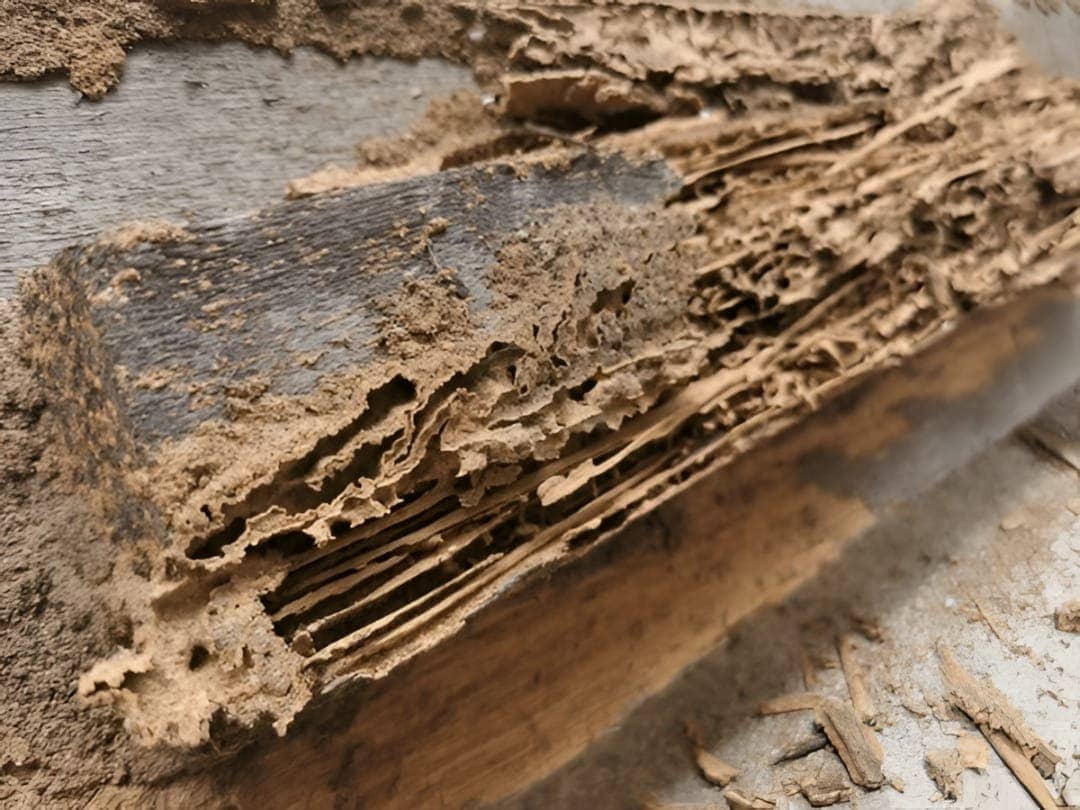
For homeowners across Greater Sydney, knowing the signs of termites is just as important as managing rising interest rates or general wear and tear. Beneath the surface of our beautiful, leafy suburbs lies a persistent threat to our built environment: subterranean termites. Driven by our warm, humid climate and clay-heavy soils, these destructive pests are a constant challenge from the Northern Beaches down to the Sutherland Shire and out through the rapidly growing sectors of Western Sydney.
The true danger of a timber pest problem is its highly secretive nature. Termites do not wander openly across your kitchen counters or alert you to their presence like other common household invaders. Instead, they work quietly from the inside out, consuming structural framing, bearers, and joists completely out of view.
Learning to recognise the early signs of termites is the absolute best defence you have against catastrophic repair bills. This comprehensive guide breaks down the primary termite infestation signs, explains how to identify termites accurately, and outlines the exact steps you need to take if you suspect your property is under attack.
1. The Primary Warning Signs of Termite Activity
Because subterranean species dry out quickly if exposed to open air, they construct specialised hidden environments to survive. Homeowners should regularly inspect both the interior and exterior of their properties for these key termite warning signs and early indicators of timber pest activity:
Mud Shelter Tubes on Foundations and Piers
The most unmistakable physical indicator of a subterranean colony is the presence of mud shelter tubes. Built from a mixture of soil, saliva, and recycled timber waste, these narrow, pencil-width tunnels run vertically up exposed surfaces, such as:
- Subfloor brick piers and foundation walls.
- The exposed edges of external concrete slabs in modern builds.
- Internal plumbing lines, hot water systems, and electrical conduits.
These tubes serve as protected, climate-controlled highways, allowing worker termites to commute safely between their damp underground nests and the dry timber framing of your home. If you spot these mud paths, it confirms that a colony has successfully bypassed your property’s physical defences.
Hollow-Sounding or Papery Timber
Termites have an incredible ability to devour the cellulose inside structural wood while leaving the outermost layer or painted veneer completely intact. This behaviour makes signs of termite damage difficult to spot visually until the infestation is highly advanced.
A simple, effective way to test your home is to conduct a gentle “tap test” using the plastic handle of a flat-head screwdriver along your skirting boards, door architraves, and window sills. Sound, healthy timber produces a sharp, solid thud. If the timber has been hollowed out, it will emit a dull, papery, or hollow thud sounding almost like cardboard backed by air.
2. Early Signs of Termites: The Reproductive Swarm
For many residents, the very first encounter with an active colony occurs during the peak swarming season, which runs throughout the warmer spring and summer months across Sydney.
Flight of the Alates (Flying Termites)
When an underground colony reaches maturity, it produces specialised reproductive insects known as alates, or flying termites. On warm, humid evenings frequently following a heavy downpour, thousands of these winged swarmers leave the nest simultaneously to mate and establish new colonies nearby.
Discarded Wings Near Windows and Doors
Alates are poor flyers and are naturally drawn to light sources. Indoors, they will gather around window sills, external doors, and light fixtures. Shortly after landing and finding a mate, they deliberately break off their wings, as they will never fly again. Finding small piles of translucent, identical, equal-length wings scattered on your window sills or floors is a critical alert that a mature nest is operating very close to your structure.

3. Secondary Indicators: Localised Changes to Your Home
As a colony expands inside your walls, their daily activity changes the micro-climate within the structural cavities, creating secondary signs of termite damage that are often misdiagnosed as general house ageing or weather-related issues:
- Tight-Fitting Doors and Hard-to-Open Windows: As termites tunnel through the timber frames surrounding doors and windows, the moisture they release creates a highly humid environment. This localised moisture causes the wood to warp and swell, making doors and windows suddenly stiff or tight within their frames. While many people assume this is simply humidity-related expansion, it warrants a closer look if the issue is localised to a specific frame.
- Bubbling, Peeling, or Blistering Paint: When termites eat right up to the outermost paint film on a wall or baseboard, the moisture trapped directly beneath the surface causes the paint to blister, crack, or bubble. This damage looks very similar to minor water damage, but it lacks the characteristic brown water staining.
- Unexplained Clicking Sounds Inside Walls: If you place your ear close to an infested wall in a quiet room, you may hear a faint, rhythmic clicking or rustling sound. This noise is produced by soldier termites banging their heads against the wood to sound an alarm and signal danger to the rest of the colony when they feel a disturbance.
4. How to Identify Termites vs. Black Ants
Misidentifying flying termites as harmless black ants is a costly mistake that often delays professional treatment. While they share a similar size and social structure, they are anatomically distinct:
|
Physical Characteristic |
Subterranean Termites |
Common Black Ants |
|
Body Shape & Waist |
Thick, uniform waist with a straight, unsegmented body |
Narrow, deeply pinched waist separating the segments |
|
Antennae Shape |
Straight and beaded, looking like tiny round spheres |
Elbowed, with a distinct bend near the base |
|
Wing Proportions (Alates) |
Four wings of exactly equal length, translucent |
Four wings, but the front pair is noticeably larger than the back pair |
|
Body Colouration |
Workers are soft-bodied, creamy white to translucent |
Dark brown, black, or distinct red hues |
5. Critical Blueprint: What to Do Next
If you discover active mudding, hollow timber, or a pile of discarded wings inside your property, your immediate response determines how successfully the problem can be resolved. Following a strict protocol helps prevent the issue from spreading further:
- Rule 1 — Do Not Disturb the Workings: This is the most vital rule for homeowners. When people see termites, their instinct is to break open the mud tubes or spray them with household fly sprays or chemical cleaners. Termites are highly sensitive to threats; if they sense a disturbance, they will quickly abandon that specific area, retreat deep into the ground, and pop up to feed in an entirely different part of your home, making eventual professional treatment much harder.
- Rule 2 — Do Not Spray DIY Chemicals: Commercial eradication relies on the termites passing through non-repellent materials and carrying them back to eliminate the heart of the colony. Using over-the-counter repellent sprays simply isolates the insects, ruining the opportunity for a professional team to deploy an effective treatment system.
- Rule 3 — Take Clear Photographs: Take sharp photographs of the mud tubes, damaged timber, or insects without breaking the workings open, and immediately contact an expert provider.
6. Integrating Your Total Property Protection
Long-term protection requires moving past short-term fixes and looking at the bigger picture of your property’s overall biosecurity. Integrating your termite protection with specialised, proactive preventative maintenance lines builds a reliable, year-round defence system:
- Total Structural Defence: Bundling a seasonal general spray with certified termite inspection service sets up an invisible, long-lasting barrier that shields your home’s timber framework from silent, costly destruction.
- Domestic Care Inclusions: Setting up regular residential pest defences provides dependable protection against cockroaches, spiders, silverfish, and ants across your entire home in a single, cost-effective annual visit.
- Commercial Risk Management: Linking immediate remediation protocols with ongoing commercial & industrial protection safeguards your business from sudden operational disruptions, protects inventory, and keeps your service logs ready for regulatory audits.