

Why Bed Bug Infestations Are Increasing Across Sydney Apartments and Hotels
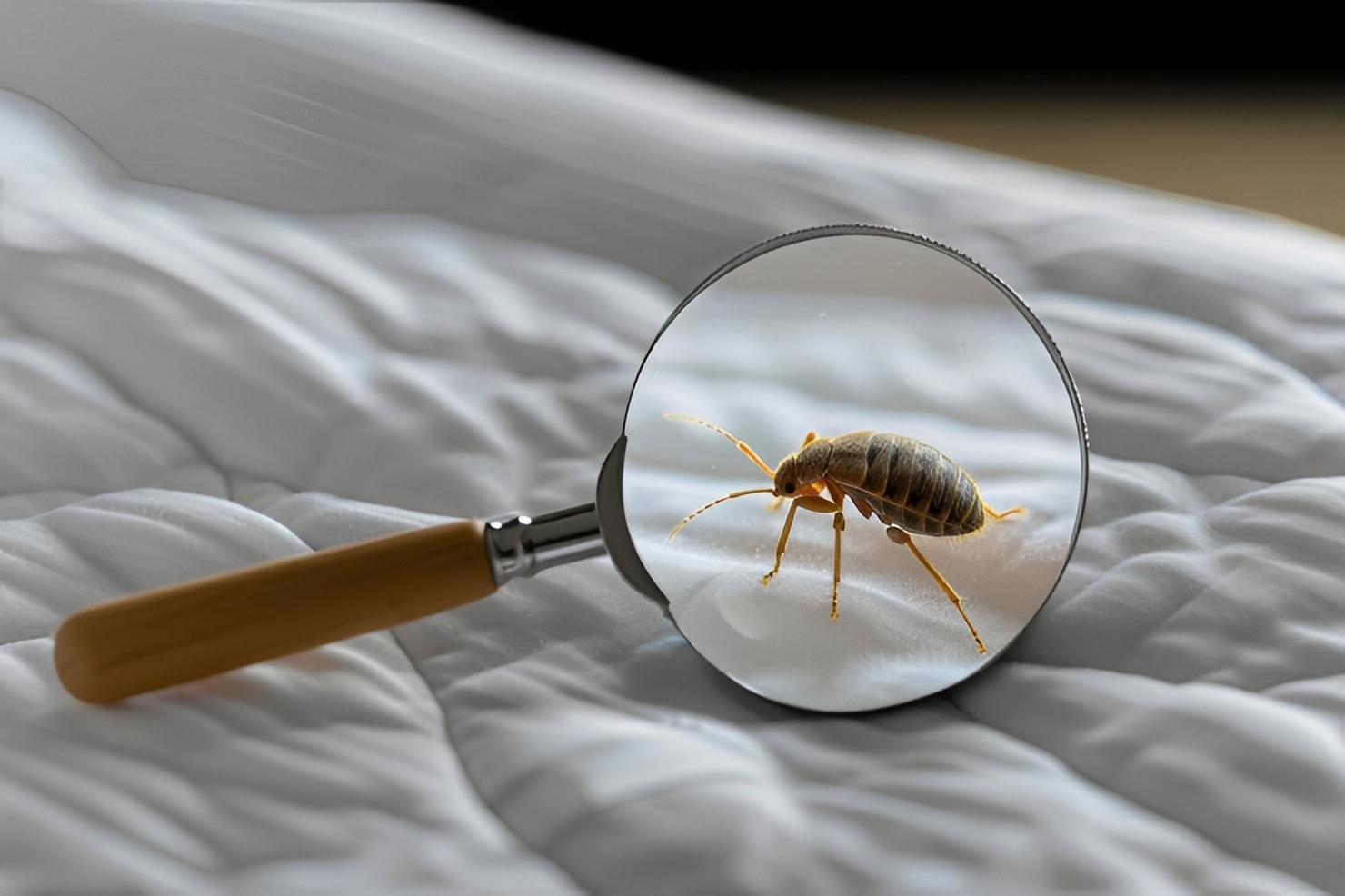
A quiet crisis is unfolding across Sydney’s high-density suburbs and hospitality sector. Over the past few years, pest technicians, building managers, and hoteliers have noted a sharp escalation in a particularly stubborn problem: the rapid spread of the common bed bug (Cimex lectularius). Far from being isolated to poorly maintained properties, this highly resilient insect has established itself in premium high-rise developments in the Inner West, corporate hotels in the CBD, and apartment complexes across Parramatta and the Hills District.
For property owners, tenants, and hotel operators alike, bed bug infestations are an active financial and operational hazard. Understanding why these persistent hitchhikers are thriving requires looking closely at urban architectures, global travel patterns, and the biological evolution of the pest itself.
1. The Anatomy of a High-Density Infestation
To understand why bed bug infestations spread with such speed through Sydney apartments, one must look at the physical design of modern multi-residential complexes. High-rise living has become a cornerstone of Sydney’s urban structure, transforming areas like Green Square, Rhodes, and Macquarie Park into vertical communities. While these designs maximise space, they also create an ideal structural superhighway for cryptic pests.
Unlike flying insects, bed bugs rely entirely on crawling and hitchhiking to colonise new territory. In a detached suburban home, an isolated infestation struggles to migrate next door without direct human intervention. In a high-rise block, however, hundreds of units are structurally tethered together.
Interconnected Structural Voids
The walls separating apartments house complex networks of shared electrical wiring, data conduits, centralised plumbing lines, and ducted air conditioning vents. When a population matures or experiences pressure from an amateur chemical application, individual insects naturally migrate through these structural voids. A small, unchecked cluster in a single bedroom can quickly spill into adjacent units on the same floor, as well as apartments directly above and below.
High-Volume Common Areas
Modern complexes feature communal gymnasiums, shared laundry facilities, and basement storage spaces. Residents carrying invisible hitchhikers on their clothing or bags inadvertently deposit them onto common property carpets and lounges. Once dropped in a high-traffic zone, the insects easily latch onto a new host, introducing a fresh bed bug infestation into an entirely different wing of the building.
2. The Hospitality Multiplier Effect
If apartments provide the physical network for long-term pest establishment, Sydney’s hotels and short-term rentals act as the distribution engine. As Australia’s primary international gateway, Sydney welcomes millions of business travellers, seasonal tourists, and international students every year, making it highly vulnerable to pest migration.
Hotels feature an incredibly high turnover of human occupants. A single room in a bustling CBD hotel might host five different guests over the course of a single week. If just one traveller carries a single fertilised female or a cluster of microscopic eggs inside the seams of their luggage, that room becomes ground zero for an outbreak.
The issue is compounded by the speed of modern housekeeping operations. Room attendants work under tight schedules to turn over dozens of rooms per shift. Because early-stage bed bug activity is incredibly subtle, often limited to minuscule dark spots of faecal matter hidden beneath mattress buttons or behind wall-mounted headboards, it is easily missed during a standard cleaning routine. Housekeeping carts moving down a hallway can also turn into mobile vectors if stripped linens from an infested room come into direct contact with fresh sheets.
3. Biological Resistance and Cryptic Behaviour
One of the most frustrating aspects of managing a modern bed bug infestation is dealing with the insect’s remarkable biological evolution. For decades, standard pest control practices relied heavily on synthetic chemical sprays to establish long-lasting defensive barriers. However, the target insects have adapted.
Insecticide Resistance
Globally, and within Australia, populations have developed thick outer cuticles that resist standard synthetic pyrethroid treatments. Exposure to sub-lethal chemical doses has accelerated natural selection, leaving behind highly resistant strains that can walk across chemically treated surfaces unaffected.
When property owners attempt to self-treat using over-the-counter supermarket bug bombs, they often worsen the crisis. These harsh chemicals act as strong repellents rather than lethal agents. Instead of killing the colony, they scatter the insects, driving them deeper into wall cavities, electrical outlets, and neighbouring apartments.
Hiding Dynamics
Bed bugs are highly evolved, nocturnal parasites. They possess flat bodies that allow them to squeeze into gaps no thicker than a credit card. They do not live on their human hosts; instead, they hide in dark, sheltered environments within close proximity to where humans sleep or sit for extended periods.
|
Common Bed Bug Hiding Spots |
Secondary Risk Zones |
|
Mattress seams and piping |
Inside electrical wall sockets and switches |
|
Behind wall-mounted headboards |
Deep within carpet pile and under tack strips |
|
Timber joints of bed slats and ensembles |
Picture frames, mirrors, and wall curtains |
Because they can survive for months between blood meals depending on ambient temperatures, a population can sit dormant inside a vacant apartment or hotel room for an extended period, waiting for a new occupant to arrive.
4. Identifying the Warning Signs Early
Early identification is the single most critical factor in preventing a minor introduction from escalating into a building-wide crisis. Because these pests are nocturnal, looking out for physical bites on your skin should not be your only line of defence. People react very differently to bed bug saliva, and some show no reaction at all.
Property managers, hotel staff, and residents should regularly look for these key physical indicators:
- Live Insects: Adult bed bugs are roughly the size, shape, and colour of an apple seed (5 to 7 millimetres in length). They are reddish-brown, wingless, and become swollen after a blood meal.
- Fecal Spotting: As the insects digest blood meals, they leave behind clusters of tiny, dark brown or black liquid drops. These spots look like fine pen ink stains and are commonly found along mattress seams or the edges of skirting boards.
- Cast Skins: As they grow, nymphs must shed their rigid outer exoskeletons through five distinct developmental stages, leaving behind hollow, translucent, amber-coloured casings.

5. Integrated Pest Management: The Solution
Given the biological resilience of modern pest populations, relying on a single spray treatment is no longer effective. Successfully clearing a bed bug infestation from a complex environment requires a structured strategy known as Integrated Pest Management (IPM).
An effective IPM strategy balances physical elimination, thermal remediation, and highly targeted, non-repellent chemical applications to destroy both active adults and developing eggs:
- Comprehensive Inspections: Technicians systematically disassemble bed frames, remove headboards, and check underlying carpet edges using high-powered torches and flushing agents to map out harbourages.
- High-Temperature Steam: Because bed bugs are highly sensitive to extreme temperatures, commercial dry steam exceeding 180°C is applied directly to fabrics and timber joints, killing all lifecycle stages instantly on contact including microscopic eggs.
- Non-Repellent Interventions: Advanced operators use modern, non-repellent formulations and Insect Growth Regulators (IGRs). Rather than driving the insects away, these invisible materials allow pests to travel freely across treated zones, unknowingly transferring the lethal active ingredients throughout the rest of the hidden colony.
6. Building Long-Term Property Protection
While managing a bed bug crisis requires immediate action, protecting a commercial property or high-density residential building requires a broader look at overall pest protection. Connecting your bed bug protocols with secondary service lines helps maintain a clean, safe, and compliant environment across your entire real estate portfolio:
- Commercial Protection: Linking your monitoring protocols with specialised commercial and industrial protection safeguards your brand’s reputation and keeps your operations fully compliant with the food safety audits enforced by the NSW Food Authority.
- Structural Pest Prevention: Combining regular interior pest monitoring with comprehensive termite inspections ensures your property is fully protected against both biting insects and hidden timber-destroying pests.
- General Property Maintenance: Bundling your target treatments into comprehensive residential pest defences provides reliable protection against cockroaches, spiders, ants, and silverfish across all individual units in a single, cost-effective visit.
- Specialised Exclusion Work: If your building deals with external pest pressures along rooflines, incorporating professional bird control & solar panel proofing prevents unsanitary nesting debris from blocking gutters or attracting secondary biting mites into your living spaces.