
How to Get Rid of Clothes Moths: The Comprehensive Guide to Saving Your Wardrobe
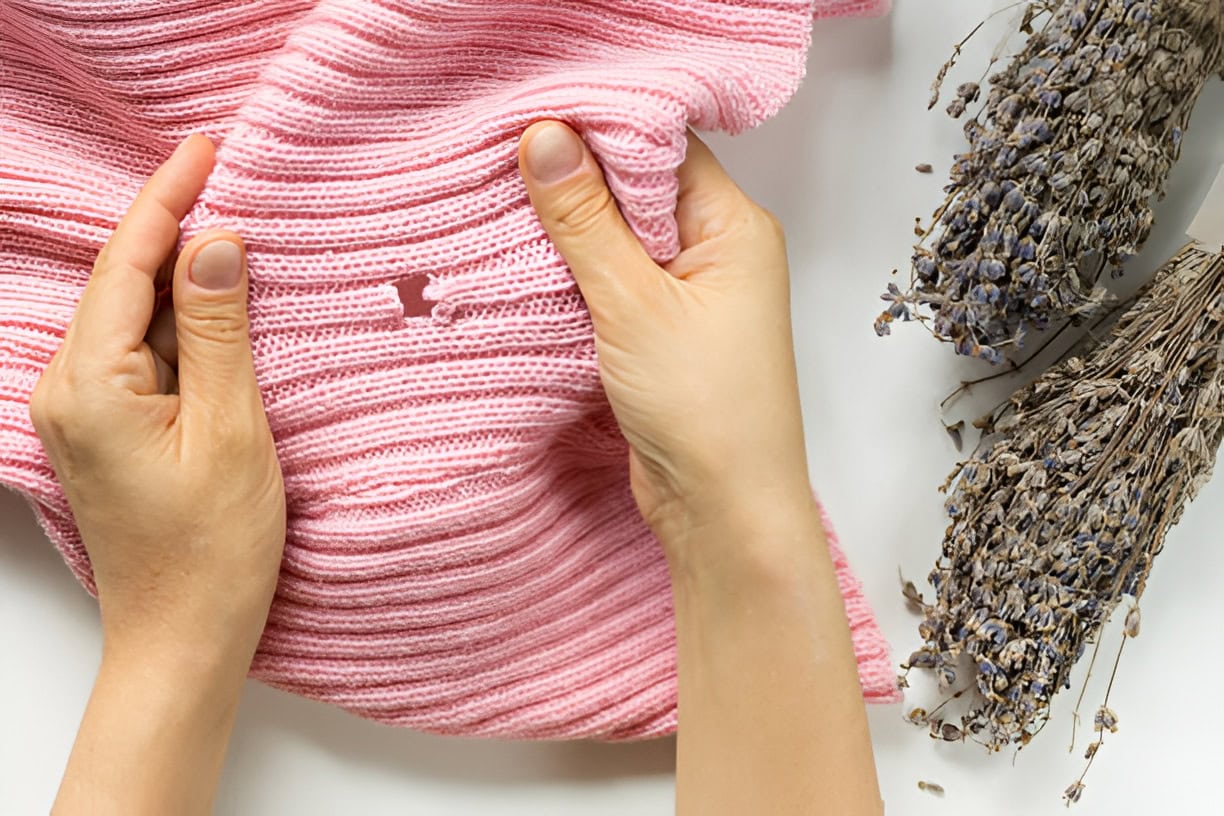
Discovering small, mysterious holes in your favourite woollen jumper, silk scarf, or expensive cashmere cardigan is a heartbreaking moment for any homeowner. Unlike the common pantry moths that invade your cereal boxes, a clothes moth infestation targets your wardrobe, carpets, and soft furnishings. Left unchecked, these silent fabric-eaters can cause thousands of dollars in structural and textile damage.
Clothes moth infestations are especially common in Australian homes with wool carpets, natural fibre wardrobes, humid storage spaces, and poorly ventilated walk-in robes.
If you are dealing with ruined fabrics and flying insects in your bedroom, you are likely searching for how to get rid of clothes moths quickly and permanently. While supermarket mothballs offer a traditional quick fix, they rarely solve the root cause of the problem and leave your home smelling intensely of chemicals.
In this exhaustive educational guide, we will explore the biology behind these destructive pests, detail a step-by-step strategy for an effective clothes moth treatment, look at the efficacy of natural moth repellents, and share the best way to get rid of clothes moths for good.
The best way to get rid of clothes moths is to wash or freeze affected garments, thoroughly vacuum wardrobes and carpets, remove larvae and eggs, and use preventative deterrents like cedarwood or pheromone traps. Severe infestations may require professional pest control treatment.
1. Understanding the Enemy: Clothes Moth Biology
To successfully execute a clothes moth treatment, you need to understand exactly what you are fighting. A common misconception is that the flying moths you see in your room are the ones eating your clothes.
The Real Culprit: The Larvae
Adult clothes moths do not even have mouthparts; their sole purpose in life is to mate and lay eggs. The true culprits behind the destruction of your garments are the larvae. Once the microscopic eggs hatch, the ravenous, caterpillar-like larvae feed constantly to fuel their growth.
What Do Clothes Moths Eat?
Clothes moth larvae actively target animal-based textiles, including wool, merino wool, cashmere, alpaca, silk, felt, fur, feathers, leather, and upholstered natural-fibre furnishings.
They require a natural protein called keratin to survive. Keratin is found exclusively in animal-based fibres. This means your synthetic polyester and nylon garments are completely safe, but your premium textiles are at high risk. Commonly affected materials include:
- Wool and cashmere
- Silk
- Feathers and down
- Fur
- Genuine leather
- Natural bristles on vintage brushes
They are especially drawn to fabrics contaminated with human sweat, hair oils, food stains, or spilled beverages, as these provide vital nutritional trace elements.
The Two Most Common Species in Australia
In Australian homes, you will generally encounter two species of fabric-damaging moths:
- The Webbing Clothes Moth (Tineola bisselliella): These are small, golden-buff coloured moths. Their larvae spin silken tubes or mats over the surface of the fabric as they feed, leaving a messy patch of webbing behind.
- The Case-Bearing Clothes Moth (Tinea pellionella): The larvae of this species construct a portable cylindrical case out of fabric fibres and silk, which they drag around with them like a sleeping bag.
2. Signs of a Clothes Moth Infestation
Knowing how to kill clothes moths begins with a thorough inspection. Because these insects despise bright light and prefer dark, undisturbed locations, a clothes moth infestation can quietly expand for months before you notice any physical damage.
When conducting a forensic audit of your walk-in wardrobe, drawers, or carpeted spaces, look for these specific warning flags:
Irregular Holes in Garments
Unlike silverfish damage, which tends to look like surface grazing or scraping, clothes moth larvae bite clean through natural fibres, leaving irregular, jagged holes scattered across the fabric.
Silk Webbing and Tubes
Keep a close lookout for fine, white silken threads running along the seams of suits, inside pockets, or tucked deep into the pile of woollen carpets beneath heavy furniture.
Gritty Residue (Frass)
You may notice a fine, sand-like debris inside your wardrobe drawers or on garment shelves. This gritty substance is “frass,” the droppings left behind by the feeding larvae. It often matches the colour of the fabric they have been consuming.
Unexplained Carpet Thinning
Clothes moths don’t just live in closets. If you have premium wool carpets or Persian rugs, check the areas hidden underneath couches, beds, and heavy storage chests. If the pile looks patchily thin or exposes the underlying backing mesh, larvae are actively at work.

3. Step-by-Step: How to Kill Clothes Moths at Home
If you have confirmed an active problem, you must act decisively. A half-hearted cleaning routine will only leave hidden eggs behind, resulting in a fresh wave of destruction a few weeks later. Follow this clinical process to reclaim your space:
Step 1: The Total Wardrobe Evacuation
Remove absolutely everything from the affected wardrobe or chest of drawers. You cannot successfully treat an infestation if clothes are still hanging up. Move the items to an easily cleanable, non-carpeted space (like a tiled laundry or bathroom) to prevent the insects from spreading to other rooms.
Step 2: High-Heat Launder or Deep Freezing
To eradicate all life stages, including eggs, larvae, pupae, and adult moths, your clothes must undergo extreme temperature treatment.
- The Heat Method: Wash all washable natural fabrics on a hot cycle (minimum 60°C). Follow this with a high-heat tumble dry for at least 30 to 40 minutes.
- The Freezing Method: For delicate garments like vintage silk or structured wool blazers that cannot withstand a hot wash, wrap them securely in plastic zip-lock bags and place them in a deep freezer at -18°C or colder for at least 10 to 14 days. This prolonged freezing thoroughly destroys the cellular structure of moth eggs.
- Dry Cleaning: For luxury suits and heavy outerwear, professional dry cleaning is highly recommended, as the chemical solvents and intense steam pressing guarantee total elimination.
Step 3: Forensic Vacuuming and Sanitisation
While your clothing is undergoing temperature treatment, turn your attention to the empty wardrobe structure.
- Use a high-powered vacuum cleaner fitted with a narrow crevice tool to clear out all dust, lint, and hair from corner joins, shelf pegs, and hanging rod sockets.
- Pay strict attention to the tracks of sliding wardrobe doors and the gaps behind the skirting boards.
- Once vacuumed, wipe down all hard surfaces using a disinfectant solution or a diluted vinegar mixture to remove microscopic organic material.
- Crucial: Immediately take the vacuum bag or canister contents out to your outdoor rubbish bin.
4. The Efficacy of Natural Moth Repellents
Once your space is completely sanitised and free of active larvae, your focus should shift to prevention. Many homeowners prefer to avoid chemical mothballs containing naphthalene or paradichlorobenzene due to their pungent smell and toxic profile around children and household pets. This is where organic moth repellents come into play.
Do Natural Repellents Kill Moths?
It is vital to understand a major distinction: natural moth repellents do not kill an existing infestation. They do not destroy eggs or eliminate hungry larvae. Instead, they act strictly as a preventative shield to deter adult flying moths from selecting your wardrobe as a nesting site.
The Most Effective Natural Deterrents:
- Cedarwood: Genuine red cedarwood contains natural volatile oils that are highly offensive to clothes moths. You can place cedar blocks, rings, or hangings inside your closets. Tip: Lightly sand the wood every few months to expose a fresh layer of oil and reactivate the scent.
- Lavender: Dried lavender blossoms sealed in breathable calico sachets are a time-honoured deterrent. The strong floral scent masks the organic human odours (like sweat and skin flakes) that adult female moths track down when looking for a place to deposit eggs.
- Clove and Rosemary: Combining dried cloves, rosemary, and thyme creates a potent, aromatic barrier that discourages moths from entering open drawers or chests.
5. Professional Clothes Moth Treatment: When to Call a Pro
While diligent cleaning and natural deterrents are excellent for minor issues or preventative maintenance, a deep-seated clothes moth infestation often requires specialised home pest control Sydney intervention.
Why DIY Methods Often Fall Short
Supermarket insect sprays are contact treatments. They might eliminate a flying adult moth, but they fail to penetrate deep into the gaps behind built-in wardrobes or under the backing mesh of wall-to-wall wool carpeting. Furthermore, off-the-shelf chemicals do not disrupt the reproductive cycle, leading to frustrating recurring infestations every few months.
| Treatment Method | Kills Eggs? | Kills Larvae? | Prevents Return? |
| Hot washing | Yes | Yes | No |
| Deep freezing | Yes | Yes | No |
| Cedarwood | No | No | Helps deter |
| Lavender sachets | No | No | Helps deter |
| Professional treatment | Yes | Yes | Yes |
Our Professional Integrated Approach
When a professional pest control Sydney technician tackles a fabric pest problem, they use an advanced, multi-layered approach:
- Hormonal Pheromone Traps: We deploy species-specific pheromone traps that attract and capture male adult moths. This stops the breeding cycle in its tracks and gives us an accurate read on the infestation size.
- Targeted Residual Crack and Crevice Treatments: We apply safe, low-toxicity, non-repellent formulations into the structural voids where larvae pupate.
- Insect Growth Regulators (IGRs): By introducing IGRs, we disrupt the biological lifecycle of the insect, preventing larvae from successfully transforming into breeding adults.
During a comprehensive property visit, technicians can also carry out a standard termite inspection in Sydney or establish defences against other structural invaders like rats and mice through targeted rodent pest control, saving you valuable time and future maintenance costs.