

7 Common Types of Cockroaches Found in Australia
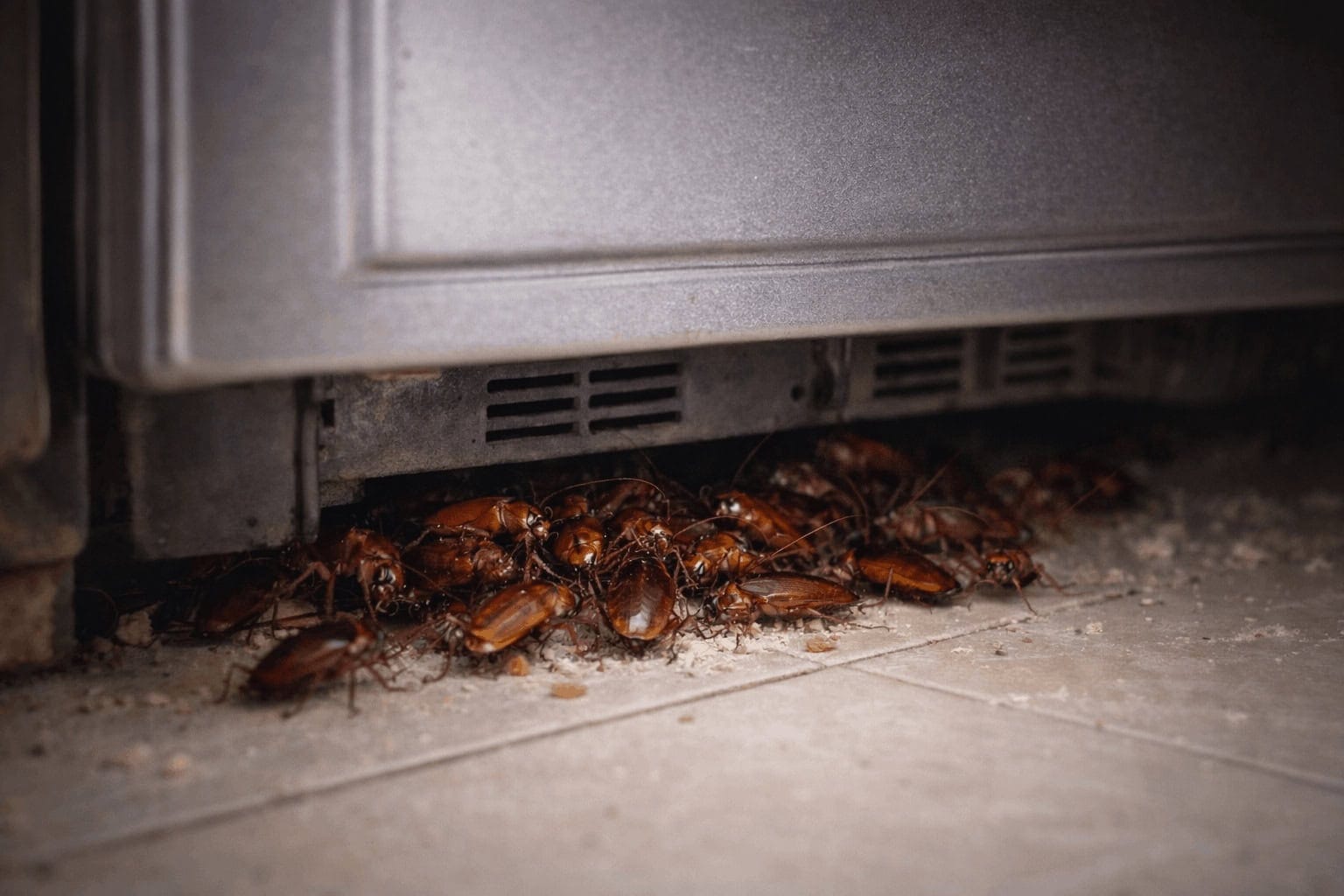
Identification guide to common cockroach species found in Australia

Did you know there are around 4,500 species of cockroaches? Of course, not all of them are found in human dwellings, but there are nearly 30 species that you might see around. No, we don’t have any special species here in NSW, despite the nickname in Rugby League circles. We have the same cockroaches, like everywhere else in Australia, that flee under your cupboard at the first sign of light.

If you get the creepy crawlies from their antennae and irregular movements, then you’re not alone. Read on to find out about the types of cockroaches commonly found around Australia. We will cover information on how to get rid of cockroaches, how you might go about identifying cockroaches, and more.

Tip: If you’ve seen one cockroach, there is a very good chance there are many more. Don’t wait, contact us today to arrange an inspection.

7 Types of Cockroaches in Australia

There are seven main types of Aussie roaches.

If you’re having trouble identifying what kind of roaches you are dealing with, then you can consult a local pest control company like Forensic Pest Management Services

You may have several types nestled in different areas of your home because each type has subtly different dwelling preferences.
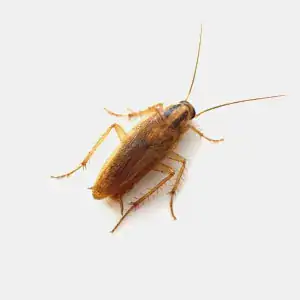
German cockroach commonly found in Australian kitchens and food preparation areas

German Cockroach

This is the most widespread type of cockroach that coexists with humans in the same building. They are relatively small in stature.

They are drawn to warmth and moisture, and are most commonly found in kitchens, behind appliances, and inside wall cavities. 
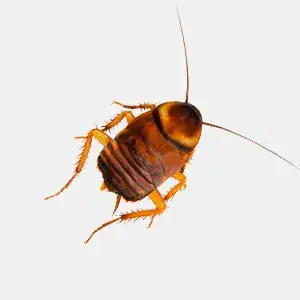
Brown banded cockroach showing its distinctive light brown markings

Brown Banded Cockroach

These are another small species of cockroach. They have two light brown bands on their darker brown bodies. They are often found in kitchen cabinets and bathrooms, and maybe even behind picture frames.

They are small and nocturnal, making them easy to miss until an infestation is already established. 
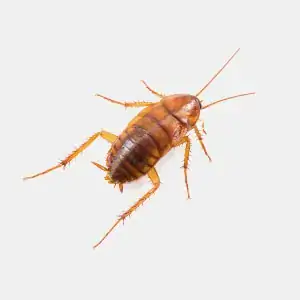
Oriental cockroach with shiny dark brown to black body colouring

Oriental Cockroach

This is a medium-sized roach. It is usually shiny black or a dark red-brown. These are likely to be found in cool and moist conditions. Check leaf litter, damp subfloor, and drainage systems for these.

They can survive in harsh conditions because they will eat almost anything, including decaying organic matter, sink waste, and even organic material within wall cavities. Due to these dietary preferences, they may contaminate surfaces by bringing bacteria and viruses to otherwise clean areas of the house.
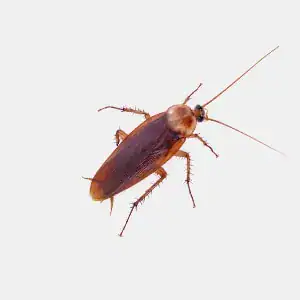
Australian cockroach displaying yellow markings on its body

Australian Cockroach

The Australian cockroach is one of the larger types of cockroaches. It is very dark brown with yellow markings on the pronotum and forewings. Because this cockroach prefers to eat plants, you will often find them in greenhouses and under bark and leaves in gardens.

In houses, they inhabit the subfloor voids, wall voids, and roof voids.
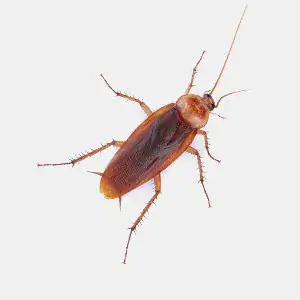
Large American cockroach commonly found in commercial and residential properties

American Cockroach

The largest cockroach that infests dwellings. It is reddish-brown in colour with a pale yellow border around the pronotum. This cockroach prefers warm, moist, and dark conditions and tends to live indoors in colder regions but mainly outdoors in warmer regions.

This widespread pest can be found in wall, roof, and subfloor voids and around sewers and drains. With a preference for consuming decaying matter, this cockroach will still eat human food, paper, and clothing.
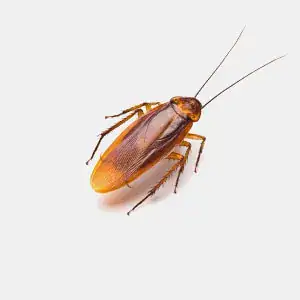
Smoky brown cockroach commonly found in warm Australian climates

Smoky Brown Cockroach

This cockroach is often found in warmer Australian cities like Sydney or Brisbane. Their colouring is, as the name suggests, a uniform smoky brown. 

These roaches will fly if disturbed, and are commonly found sheltering in small crevices, wall cavities, and roof spaces around the home. 

White Cockroach

A white or albino cockroach is simply a roach that has shed its exoskeleton. If you are seeing these, it means young cockroaches are nearby, and there may be an infestation growing.

FAQ About Cockroaches

Here you’ll find answers to common questions about cockroach identification, behaviour, and signs of infestation. 

Yes, some species can fly. Asian, brown-banded, and smoky brown cockroaches are among those known to take flight. Most other species prefer to run when disturbed.
Cockroaches will eat almost anything, from decaying organic matter to food scraps, cardboard, and paper products left around the home. They are highly opportunistic feeders.
Cockroaches do not build a structured nest. The largest concentration of roaches in a hidden, warm area close to food and water is typically where they are harbouring. Common harbourage spots include wall voids, subfloor cavities, and behind kitchen appliances.
This might differ depending on the species. However, in all, they are tiny and nearly invisible to the human eye. It is more likely that you see a small brown egg capsule containing multiple eggs inside. They might be about the size of a tiny pill.
Cockroach bites are uncommon. Even though these bugs are annoying, they are more likely to skitter around and breed than to bite your skin. They may feed off your hair, dead skin, and fingernails, though.
They look a lot like bites from a mosquito. They can be red and swollen and somewhat larger than mosquito bites, too.

The average lifespan of a cockroach is around 100 days, although this can vary depending on the species. Remember, there are nearly 4,500 species of them out there.

The droppings look like specks of pepper. If you don’t remember dropping any pepper on the ground recently, then maybe you’ll want to consider the possibility…
Cockroaches have six legs. Their legs are quite long and nimble, which enables them to scuttle away at the speed of light.

How to Get Rid of Cockroaches

Now that you know a bit about the cockroaches you’re likely to find locally, here’s how you can get rid of them.

If you’re going about it yourself, here’s what you might want to do:

  • Caulk any cracks you see.
  • Get an insect growth regulator (something you can place in every room, and it acts like insect birth control).
  • Cockroach gel can be used as poisonous bait so that when other cockroaches cannibalise the dead ones, they will die as well. This is recommended for roaches that have grown tolerant of Raid.
  • The best bet is to clean your place because cockroaches can eat anything.
  • If you have a pet, make sure to vacuum the hair because they will eat it.
  • Never leave out water sources overnight. They will infest these.

If you decide to bring in a professional pest control company, there are several steps a qualified technician will carry out to eliminate the infestation for good. 

Our technicians will thoroughly inspect your home to identify harbourage areas, entry points, and any conditions that are allowing cockroaches to access food and water. 

The next step includes placing cockroach monitors to gauge activity levels and coming up with an action plan depending on the infestation level and type of infestation. This might include a combination of baiting and trapping, or a recommended daily cleaning routine.

Our experts will also follow up after the initial treatment to make sure the infestation has truly gone away.

Best Approach is a Flexible One

The bottom line is that there are multiple types of cockroaches, and they are all tenacious in different ways. They might have infested several areas of your house, and it could take a while before you get to the bottom of where they are all coming from.

To reduce the risk of a cockroach infestation, seal any cracks and gaps in your home and maintain a clean environment that removes access to food, water, and shelter. As always, you are welcome to contact us if you have any questions about cockroach control or treatment options.