

The Facts About Mice You Need To Know: A Comprehensive FAQ
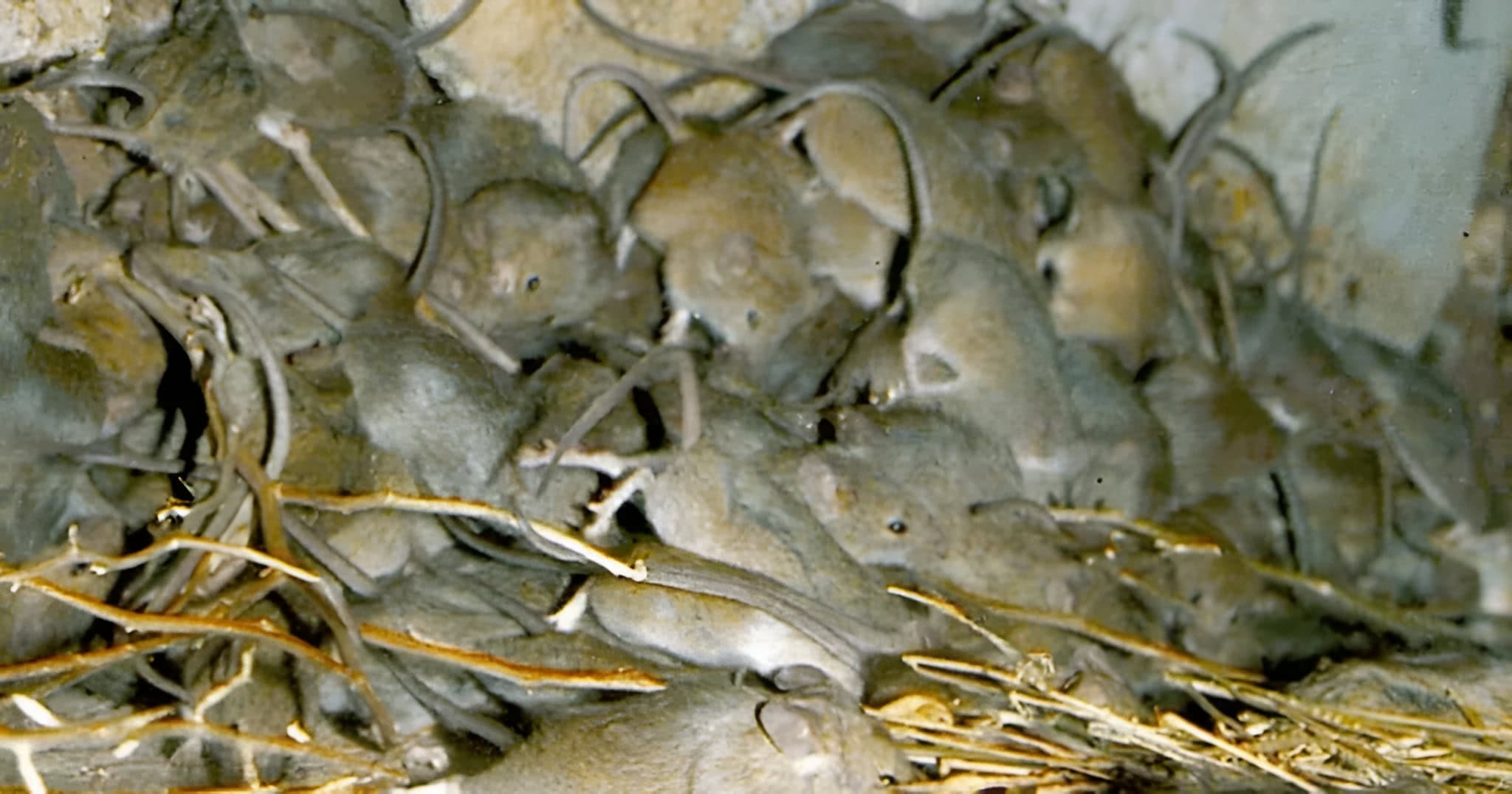
Several hours to the west of Sydney, throughout the grain belt, a squeaking swarm lurks. Harvests are being devoured and appliances are being destroyed. Why are farmers standing vigil in their fields?
A plague of mice is officially taking over New South Wales and Northern Victoria, and these rodents are predicted to make their way to Sydney. It’s not too early to prepare for the inevitable influx of mice in the city. The first step is knowledge. Understanding a few key mice facts will help you prepare for a mouse infestation before it reaches your doorstep.
Mice Facts: The Frequently Asked Questions
What Caused the Mice Plague in New South Wales?
Before the plague, Australia’s drought conditions made it difficult for mice to survive. After the rain arrived and ended the drought, the moisture brought the mice along, too. Mice eat grain and other crops. After the rain, there was plenty for them to eat. The mice could thrive without running out of food.
Because mice reproduce quickly, the conditions allowed them to multiply. A few mice turned into many mice very quickly and overwhelmed the farms in New South Wales. Because the farmers were not prepared after such a long drought, the mouse problem became extreme. Residents of Sydney might be even less prepared for a mice infestation. This makes it even more important to stay on top of the mice facts!
Do Mice Migrate?
Mice do not tend to migrate, regardless of weather changes. They are more likely to move into homes and businesses. This is a concern for Australians, as mice rarely travel alone. Once mice move inside, they will begin searching for a source of food. They will often find it in your cupboards. You will likely find signs of their presence too, such as mouse droppings and gnaw marks.
Is It True That the Mice Plague Can Reach Sydney?
If mice don’t migrate, why should residents of Sydney and other cities be concerned about the plague?
Mice don’t necessarily know the difference between a home and a bus or train. They will happily hop on public transportation and nibble what they can find. A mouse and its family can easily hitch a ride to metro areas such as Sydney.
From there, mice will reproduce. Although there is less grain in the cities, there is plenty for a family of mice to eat, and they won’t want to leave.
Luckily, CSIRO has launched the MouseAlert app, which will help the government to track mice throughout the Commonwealth. When the mice start approaching Sydney, you may have some advanced notice!
How Long Do Mice Live?
Mice in the wild live anywhere from one year to eighteen months when the weather is fair and food is abundant. The problem is that mice reproduce quickly, so one mouse living one year can quickly turn into more, and more, and more.
In a home, however, mice can live longer. Without any predators or threats, mice can live as long as two years in your house. That’s a long time to have a tenant who isn’t paying any rent!
While you might be tempted to get a cat, it’s wise to pursue rodent control services as soon as you notice signs of mice in the home.

How Many Babies Do Mice Have?
Mice can have anywhere between 3 and 14 babies at once. On average, they won’t exceed about seven babies at once. That’s still seven more mice than anyone wants to find in their home.
Do Mice Breed All Year Round?
Yes, mice are fast breeders, and once they get started, they don’t stop!
It takes a mouse approximately twenty days to give birth after becoming pregnant. Many female mice give birth as often as 10 times per year! A single mouse that has 10 babies, 10 times a year, will leave you with 100 new mice in a single year!
Are Mice Dangerous?
If you have been watching the news, you know that the danger mice pose is mostly indirect. The presence of mice is dangerous for businesses, as they eat crops and destroy major appliances. They eat through cords and packaging, making products unsellable.
There is also a psychological danger. Many people are living in fear of finding hordes of mice in their homes. Those who are worried about their property are constantly anxious.
The biggest danger is that mice are known carriers of disease, capable of spreading bacteria and contaminating food sources.
What Is the Best Way to Deter Mice?
If you have found mice in your home, store-bought traps can provide short-term relief. There are many different kinds, so do your research. If you are able, find and block off the mouse’s point of entry and then set the traps nearby.
Are Mice Scared of Light?
Mice are not scared of light, but they are sensitive to bright lights and loud noises. Bright, flashing lights can be an effective way to scare them off, but it will only work in the short term.
Do Mice Crawl on People When They Sleep?
Short answer: Yes. While mice don’t seek to crawl on people, they have no issue with running across a sleeping body to get where they have to go. If you are a sound sleeper, you may have even experienced this without realising it!
Many people in New South Wales are also reporting being bitten at night, which is scary and uncomfortable! Luckily, it is not especially common with mice.
How Do I Get Rid of Mice Fast?
The best course of action is to contact your local pest control specialists. If you’re in the Greater Sydney area, contact us; we have the products and expertise to help you solve your problem quickly.
Know Your Mice Facts and Stay Safe!
Knowledge is the first step towards protecting your home and family from a mouse plague or rodent infestation in Sydney. If you’ve already spotted signs of unwanted guests in your home or business, reach out to Forensic Pest Management Services today!